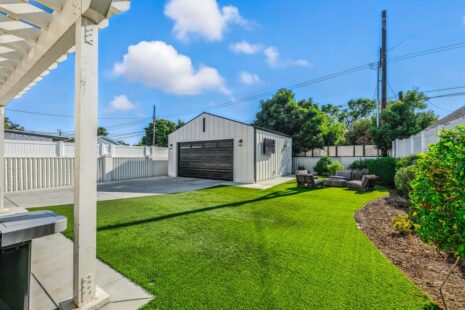
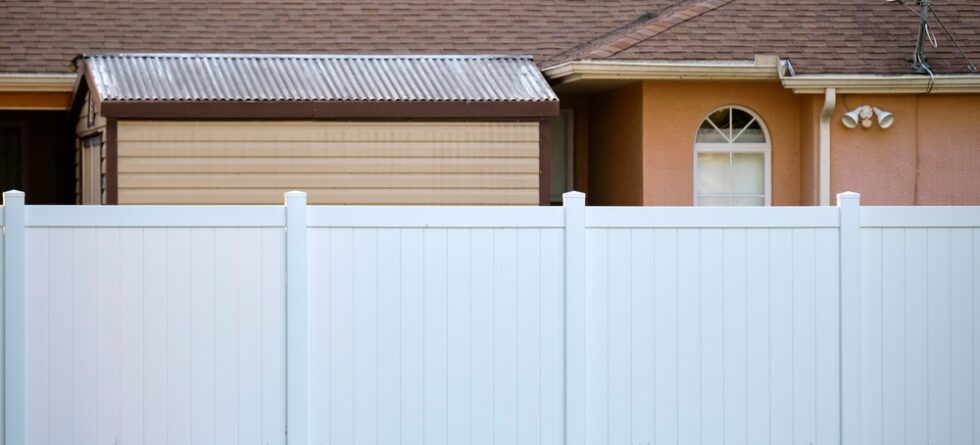
A vinyl fence can be a very good choice if you want a clean look, low maintenance, and strong moisture resistance. Many homeowners like vinyl because it stays neat with less work than wood and does not need regular painting or staining. It can also give a yard a tidy, finished appearance that works well for privacy and general boundary fencing.
At the same time, vinyl is not perfect for every home or every budget. It usually costs more upfront than many wood fences, and some people do not like its more manufactured look. The real question is not only what vinyl fencing does well, but also what matters most to you in the long run.
Pros of a vinyl fence
Low maintenance
One of the biggest benefits of a vinyl fence is that it needs very little upkeep. It does not usually need painting, staining, or sealing. For many homeowners, that means less time spent on maintenance and fewer long-term chores.
Simple cleaning is often enough to keep it looking good. That makes vinyl especially appealing for busy homeowners who want a fence that stays neat without a lot of extra work.
Good moisture resistance
Vinyl does not rot like wood, which is a major advantage in wet, humid, or rainy climates. Moisture is one of the biggest causes of fence problems over time, so a material that handles it well can feel like a strong long-term choice.
Clean & consistent appearance
Vinyl fencing often has a smooth, uniform look that many people like. It can make a yard feel tidy and polished, and it usually keeps that appearance well with basic care. This is one reason vinyl is often chosen for privacy fencing and decorative boundary lines.
No insect damage like wood can have
Vinyl is not affected by termites or similar insect damage the way wood can be. That can give homeowners extra peace of mind and help reduce long-term repair concerns.
Cons of a vinyl fence
Higher upfront cost
Vinyl fencing usually costs more at the start than many wood fence options. For homeowners working with a tight budget, that first cost can be one of the biggest drawbacks.
Even if vinyl may save maintenance costs later, the higher installation price can still make it harder to choose at the beginning of a project.
Less natural appearance
Some homeowners simply prefer the look of real wood. Vinyl can look clean and attractive, but it usually does not have the same warmth, texture, or natural character as cedar or other wood fencing. For people who care most about a natural outdoor look, this can be a real downside.
Can become brittle in very cold weather
Vinyl can perform well in cold climates, but very low temperatures can make it less flexible and more likely to crack if hit hard. That does not make it a bad fence for winter areas, but it does mean quality and careful use matter.
Not always the best for strong sound blocking
Vinyl fencing can help with privacy and can reduce a small amount of noise if it is solid and tall, but it is not usually the best material for serious sound reduction. Heavier materials like wood, masonry, or purpose-built acoustic barriers usually perform better for noise control.
Who vinyl fencing is best for
Vinyl fencing is often best for homeowners who want privacy, a clean appearance, and low maintenance over many years. It is a good fit for people who do not want the repeated work of staining or repainting and who like the idea of a fence that stays neat with simple cleaning.
It can also be a smart choice in damp climates where moisture damage is a concern. In those conditions, vinyl often feels especially practical.
When another fence material may be better
Wood may be better if you want a more natural and traditional look. Composite may appeal more if you want a premium appearance with a solid feel. Masonry may be better if your main goal is maximum strength or stronger sound blocking. Each fence material has its own strengths, so vinyl is not automatically the best choice for every situation.
The better option depends on your budget, your style, and how much maintenance you are willing to handle over time.