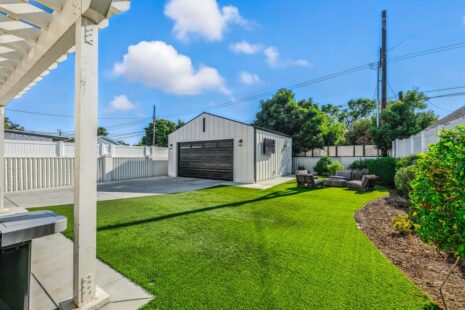
The type of fence that usually has the least maintenance is vinyl fencing. Vinyl is popular because it does not need painting, staining, or sealing the way wood often does. It also does not rot, and it is not as likely to attract insect damage. For many homeowners, that makes it one of the easiest fence materials to live with over time.
A vinyl fence usually only needs occasional cleaning to remove dirt, mildew, or surface marks. That simple care is one of the main reasons people choose it when they want a fence that stays neat without regular upkeep.
Why vinyl fencing is so low-maintenance
No painting or staining
One of the biggest benefits of vinyl is that it keeps its finish without needing the repeated painting or staining that wood fences often require. This saves both time and money over the years.
It resists moisture well
Vinyl does not absorb water like wood, so it does not usually face the same problems with rot, swelling, or decay. This makes it especially appealing in damp, rainy, or humid areas.
It is easy to clean
Most of the time, a vinyl fence can be cleaned with water, mild soap, and a soft brush or cloth. For many homeowners, that level of care feels much easier than sanding, repainting, or replacing damaged boards.
Other low-maintenance fence options
Aluminum fencing
Aluminum fencing is also very low-maintenance. It does not rot, and it usually resists rust well when it has a good protective finish. It is a strong choice for homeowners who want durability and a clean look with very little upkeep.
The main difference is that aluminum usually offers less privacy than a solid vinyl fence, since many aluminum styles are open and decorative rather than fully enclosed.
Composite fencing
Composite fencing is another lower-maintenance option. It often gives a more solid and premium look while avoiding many of the problems that affect natural wood. It usually needs less upkeep than wood, though it may still need occasional cleaning to keep it looking its best.
Fence types that usually need more maintenance
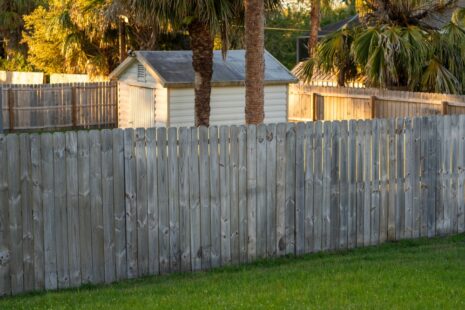
Wood fencing usually needs the most maintenance out of the common residential fence materials. It often requires painting, staining, or sealing to protect it from weather and aging. Over time, wood can also warp, crack, rot, or fade, which adds to the care it needs.
Cedar can be more durable than some other woods, but it still needs attention if you want to keep its appearance strong over the years. That makes it less maintenance-friendly than vinyl or aluminum.
What low maintenance really means
Low maintenance does not mean no maintenance at all. Even the easiest fence materials still need some care. Dirt can build up, strong weather can affect appearance, and accidental impact can still cause damage. The real difference is that low-maintenance fences usually need far less regular work to stay in good condition.
For most homeowners, that means fewer weekend projects, lower long-term upkeep costs, and less worry about weather-related problems.
Which fence is best for the easiest long-term care?
If your main goal is the least work possible, vinyl is often the best overall choice. It offers privacy, durability, and simple cleaning without the repeated upkeep that many wood fences require. Aluminum can also be an excellent low-maintenance choice if you prefer a more open and decorative style.
The better option depends on what matters most to you. If you want privacy and ease, vinyl is often the top pick. If you want elegance with minimal upkeep, aluminum may be a strong alternative.