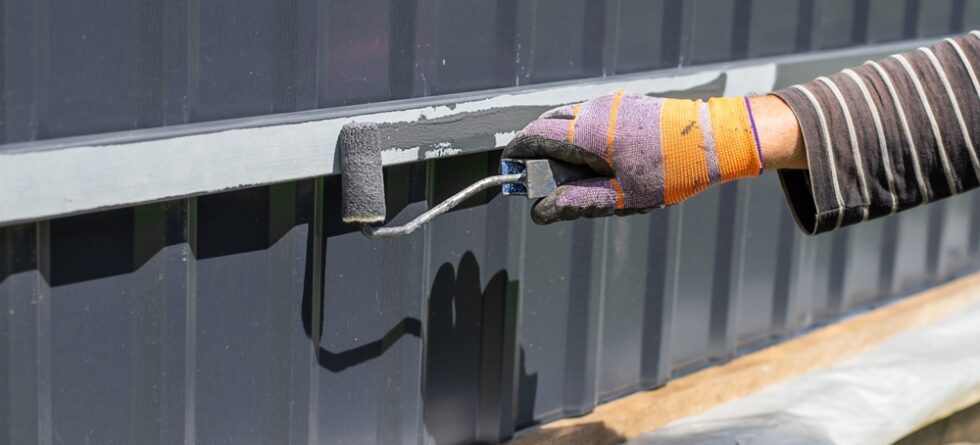
Yes, you can paint a vinyl fence, but it is usually not the best first choice unless you have a strong reason to change the color. Vinyl fencing is made to be low maintenance, and one of its biggest advantages is that it normally does not need painting. Once you paint it, you may give up some of that easy-care benefit because the finish can need touch-ups and upkeep later.
That does not mean painting vinyl is impossible. It simply means the job needs to be done carefully, with the right preparation and the right type of paint, if you want the result to last and look good.
Why painting vinyl fencing can be tricky
Vinyl has a smooth surface
Vinyl fencing is not like raw wood. Its surface is smoother and less absorbent, which makes it harder for paint to bond well if the fence is not prepared correctly. If the prep work is poor, the paint may peel, chip, or wear unevenly.
Heat can become a bigger issue
Color matters on a vinyl fence. A much darker paint color can absorb more heat than the original finish. That extra heat can put more stress on the fence and may increase the chance of movement or warping in strong sun.
You may lose the low-maintenance benefit
One reason people choose vinyl is that it usually stays neat without repainting. Once paint is added, the fence may need future touch-ups just like other painted surfaces. That changes the long-term care that made vinyl attractive in the first place.
When painting a vinyl fence may make sense
Painting may make sense if the fence has become badly discolored, if you want to refresh its appearance, or if you want a different color and replacing the fence is not practical. In that kind of situation, painting can be a way to improve the look without starting over.
It can also make sense if the fence is older and appearance matters more to you than keeping the original low-maintenance finish. The key is to go into the project with realistic expectations.
What helps the paint job last better
Clean the fence well first
The fence should be cleaned thoroughly before painting. Dirt, mildew, chalky buildup, and surface residue can stop paint from sticking properly. A clean surface gives the paint a much better chance of bonding well.
Use products made for vinyl or plastic surfaces
Not every paint works well on vinyl. Choosing a paint that is suitable for vinyl or similar smooth exterior surfaces is very important if you want better adhesion and a more durable result.
Avoid very dark colors unless they are made for vinyl use
Darker colors can create more heat buildup. If the color change is dramatic, that can become a problem in sunny areas. Lighter colors or paint systems intended for vinyl are usually a safer choice.
Is painting better than replacing?
That depends on the condition of the fence. If the vinyl fence is still structurally sound and only looks tired or outdated, painting may be a reasonable way to improve it. If the fence is already cracked, weak, or badly damaged, painting may not be worth the effort.
Painting changes the appearance, but it does not solve structural problems. That is why it works best when the fence is still in good condition overall.