Yes, vinyl fences can get moldy or develop mildew on the surface, especially in damp, shady, or humid areas. The vinyl itself does not rot like wood, but moisture, dirt, pollen, and organic buildup can collect on the fence and create the right conditions for mold or mildew to grow.
This means the problem is usually on the surface, not deep inside the material. A vinyl fence can still be a low-maintenance option, but it is not completely free from outdoor buildup. If the fence stays wet often or sits in a spot with limited sunlight and airflow, mold or mildew becomes more likely.
Why mold can grow on a vinyl fence
Moisture stays on the surface
Rain, sprinklers, humidity, and wet soil can leave moisture on the fence. If that moisture stays in place for long periods, especially in shaded areas, mold or mildew can begin to appear.
Dirt & organic buildup feed the problem
Dust, pollen, leaves, grass clippings, and other outdoor debris can stick to the fence over time. That buildup gives mold and mildew a better place to form, especially if the surface is not cleaned often.
Shade & poor airflow make it worse
Fences that sit behind shrubs, under trees, or along damp shaded sides of the yard are more likely to develop moldy spots. Less sunlight and limited airflow can make it harder for the fence to dry out fully.
What mold on vinyl usually looks like
Mold or mildew on vinyl fencing often appears as green, black, gray, or dark streaky patches. Sometimes it looks more like a film or surface staining than thick growth. White vinyl fences usually show it more clearly because the contrast is easy to see.
In many cases, what people call mold may also include mildew, algae, or general grime. All of these can make the fence look dirty and aged even if the material itself is still in good shape.
Is mold on vinyl fencing a serious problem?
Most of the time, mold on a vinyl fence is more of a cleaning and appearance issue than a structural one. Since vinyl does not rot like wood, the mold is usually not eating into the material the same way decay affects timber. Still, it can make the fence look neglected if it is left there too long.
So while it is usually not a sign that the fence is failing, it is still something worth cleaning so the fence stays attractive and easier to maintain.
How to help prevent mold on a vinyl fence
Clean the fence from time to time
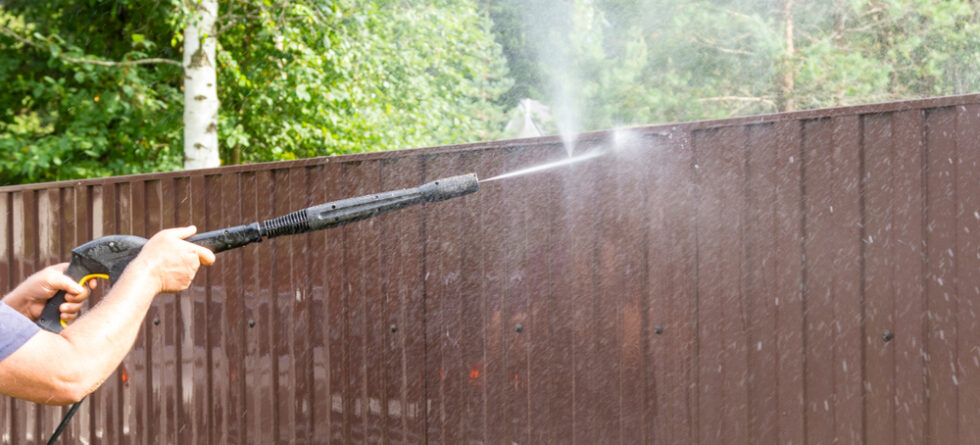
Regular washing helps stop dirt and organic residue from building up on the surface. A fence that is cleaned now and then is much less likely to develop noticeable mold or mildew.
Keep plants from crowding the fence
Trimming back shrubs, vines, and heavy planting can improve airflow and help the fence dry faster after rain or watering. This can make a big difference in damp areas.
Avoid constant sprinkler spray
If sprinklers hit the same section of fence every day, that repeated moisture can encourage mold growth. Adjusting the water direction can help keep the fence drier.
Can mold be cleaned off?
Yes, in many cases, mold or mildew can be cleaned off a vinyl fence. Since it is usually a surface issue, proper cleaning often improves the look of the fence. The sooner it is cleaned, the easier it often is to remove.
That is one reason vinyl is still seen as low maintenance. Even when mold appears, it is usually much easier to deal with than the deeper moisture damage that can affect wood fencing over time.