You can reduce traffic noise in your backyard by using a mix of solid barriers, dense landscaping, and smart layout changes. Traffic sound is difficult to control because it travels across open space and often includes both sharp and low rumbling noise. That is why the best results usually come from combining several improvements instead of depending on one simple fix.
If you want the biggest difference, focus first on blocking the direct path of sound. After that, add softer features that help reduce reflection and make the yard feel calmer. A backyard can rarely become completely silent near a busy road, but it can often become much more peaceful and comfortable.
Use a solid barrier to block noise
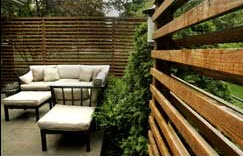
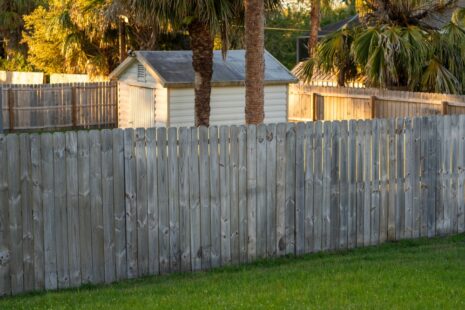
A tall, solid fence is one of the most helpful ways to reduce traffic noise in a backyard. Fences work best when they have no gaps and are made from dense materials. A lightweight or open fence may improve privacy, but it will not do much to stop road sound.
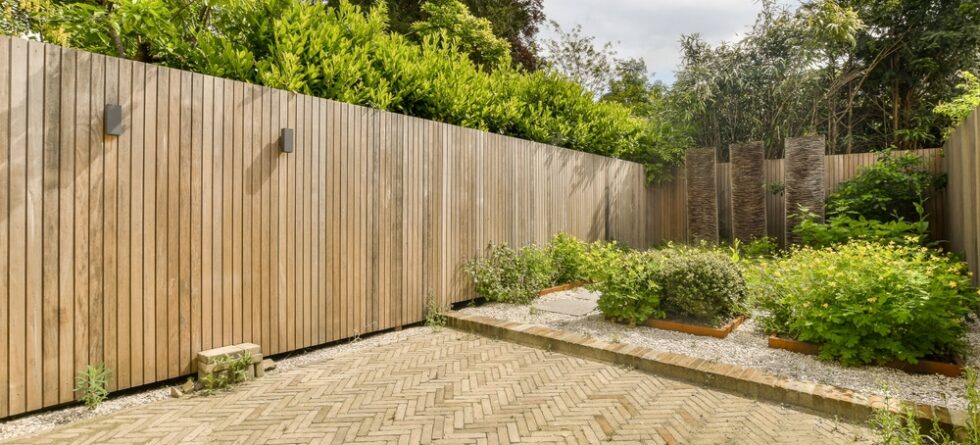
Acoustic fencing, solid wood privacy fencing, composite fencing, and masonry walls usually perform better than open designs. The barrier should be as continuous as possible because even small openings can let sound pass through more easily than many homeowners expect.
Add dense landscaping for extra sound control
Use layered planting
Plants do not block traffic noise as strongly as a solid fence, but they can still help soften the sound and improve the feeling of privacy. The best approach is to use layers of shrubs, hedges, small trees, and taller planting instead of a thin row of greenery.
Choose thick evergreen coverage
Evergreen hedges are often more useful than plants that lose their leaves because they stay fuller throughout the year. A deep planted border near the edge of the yard can help scatter some of the sound and make the space feel more sheltered.
Improve the shape & layout of the yard
The way your backyard is arranged can affect how traffic noise feels. If possible, place seating areas, patios, or play spaces farther from the road-facing side of the yard. Even a small increase in distance from the noise source can help the space feel more comfortable.
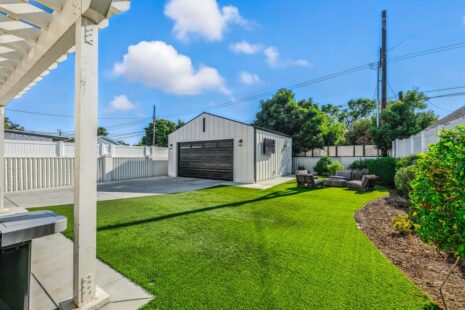
It can also help to place sheds, storage structures, pergolas, or garden features in positions that interrupt the sound path. These features do not replace a proper barrier, but they can support the overall effort when used thoughtfully.
Reduce hard surfaces that reflect sound
Hard surfaces like concrete, brick, and bare walls can bounce sound around the yard and make traffic noise feel sharper. A space with too many reflective surfaces may sound louder than expected, even after a fence is added.
Adding softer elements such as planting beds, grass areas, outdoor fabrics, and textured surfaces can help make the yard feel less harsh. The goal is not only to block sound, but also to reduce the way it reflects around the space.
Make outdoor living areas feel more sheltered
Use covered structures carefully
Covered patios, pergolas, and outdoor rooms can help create a more protected feeling in one part of the yard. When paired with curtains, planting, or nearby barriers, these areas can become much more comfortable for sitting and relaxing.
Create a quiet zone
Instead of trying to improve the whole yard at once, it can be smart to create one quieter section. A well-placed seating area behind a solid fence, surrounded by plants and soft surfaces, often feels much better even if the rest of the yard still picks up some traffic sound.
Use a gentle background sound to mask road noise
Masking sound can make traffic less noticeable. Water features, rustling plants, or other pleasant natural sounds can help shift attention away from road noise. This does not remove the traffic sound, but it can improve how the yard feels during everyday use.
A soft water feature near a patio or sitting area is often one of the simplest ways to make a noisy backyard feel more relaxing.
Focus on the edge where noise enters
The road-facing side of the yard is usually the most important place to improve first. A barrier or planting near that boundary often works better than making changes closer to the house after the sound has already spread through the yard.
This is why the most effective backyard noise plans usually start at the perimeter. Stopping or weakening the sound early gives the rest of the yard a better chance to feel quieter.
What homeowners should remember?
You can reduce traffic noise in your backyard best by combining a solid barrier, dense layered planting, softer surfaces, and a smarter yard layout. A tall gap-free fence usually does the main blocking, while landscaping and design choices help soften the remaining sound.
The best results usually come from working in layers and improving the part of the yard where noise enters first. With the right mix of changes, even a backyard near a busy road can feel much more peaceful and enjoyable.