How do I make my backyard have less noise from neighbors?
You can make your backyard have less noise from neighbors by using a mix of solid barriers, dense landscaping, softer surfaces, and a better yard layout. Neighbor noise often comes from voices, music, pets, tools, and general outdoor activity. Since that sound moves through open air, the best results usually come from reducing the direct path of the noise and then softening what remains.
A backyard does not need to become silent to feel much better. Even moderate improvements can make the space feel more private, more peaceful, and easier to enjoy. The key is to think in layers instead of looking for one quick fix.
Start with a solid fence or barrier
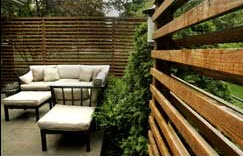
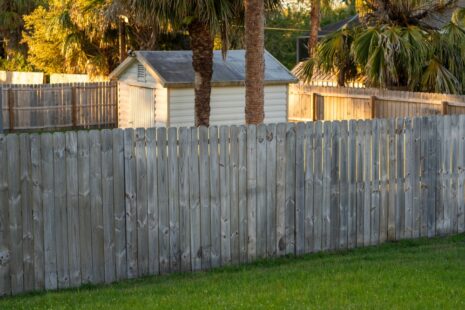
A tall, solid fence is often one of the most useful ways to reduce neighbor noise. It works best when it has no gaps and is built from a material with some density. Open fence styles may mark the boundary, but they do very little to reduce sound.
Solid wood privacy fences, composite fencing, acoustic fencing, and masonry walls usually work better than picket, chain link, or slatted designs. Height also matters because a taller barrier can block more of the direct sound path between your yard and the neighboring property.
Use landscaping to soften the sound
Add dense layers of plants
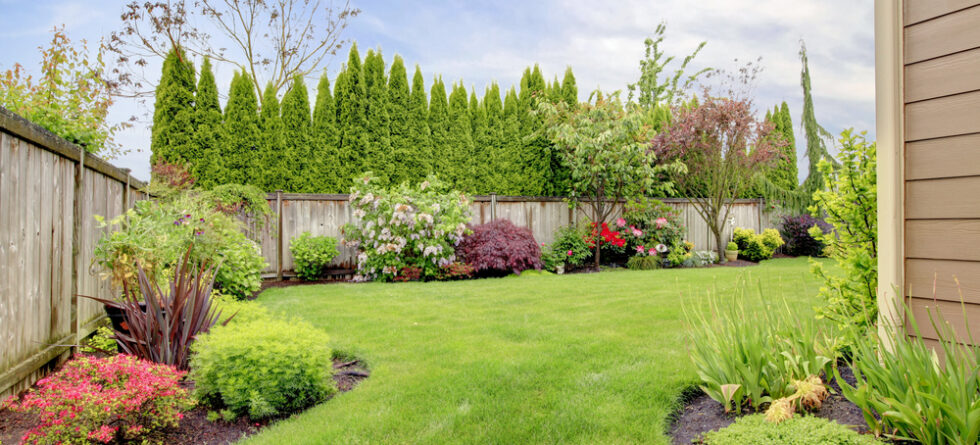
Plants will not block noise as strongly as a solid fence, but they can help soften the feel of sound and make the yard seem more sheltered. Dense shrubs, hedges, small trees, and layered greenery work better than a thin row of plants. The fuller the planting, the better the result usually feels.
Choose evergreen privacy planting
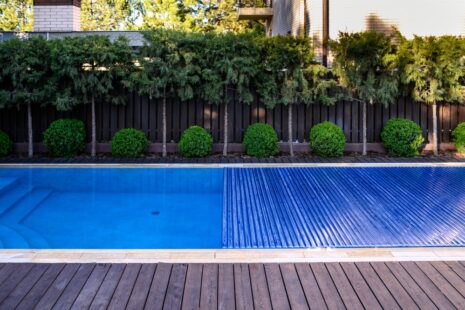
Evergreen hedges are especially helpful because they stay thicker throughout the year. A planted border along the fence line can improve privacy and reduce the harshness of nearby voices and activity. This is one reason a fence and hedge combination often feels much quieter than a fence alone.
Make your seating area more protected
If your main goal is to enjoy one part of the yard in peace, focus on creating a protected zone instead of trying to fix every corner at once. Move seating, dining, or relaxing areas farther from the noisiest boundary if possible. Even a little extra distance can help.
You can also use pergolas, screens, garden structures, or planted sections to create a more enclosed feeling around the area where you spend the most time. These features help break up sound and make the space feel more private.
Reduce sound reflection in the yard
Hard surfaces can make neighbor noise feel sharper because they reflect sound instead of softening it. Large areas of bare concrete, brick, stone, or plain walls can bounce sound around the yard. This can make voices and other sounds seem more noticeable than expected.
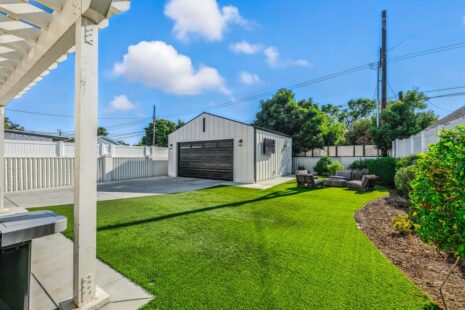
Adding softer features like grass, planting beds, outdoor rugs, cushions, and fabric elements can help create a calmer sound environment. The goal is not only to block noise, but also to reduce the way it reflects through the space.
Use a pleasant sound to mask unwanted noise
Try a water feature
A gentle water feature can help mask nearby voices and light neighborhood activity. It does not remove the noise, but it changes what your ears focus on. A soft, steady sound near a sitting area can make the backyard feel much more relaxing.
Use natural movement & texture
Plants that rustle lightly in the wind can also help create a softer background atmosphere. This works best when the noise is moderate rather than extreme. Masking works well as a finishing touch after you have already improved the physical layout of the yard.
Focus on the side where the noise enters
The best place to improve first is usually the boundary closest to the noisy neighbor activity. If sound is coming mainly from one side, changes near that edge often work better than changes near the house after the noise has already spread across the yard.
This is why fence upgrades, planting, and screening are often most effective when placed along the shared boundary. Stopping or weakening the sound earlier usually gives a better result.
What usually works best together
The strongest backyard noise reduction usually comes from combining several ideas. A solid fence handles the main blocking. Dense planting softens and filters the feel of the space. A protected seating area creates comfort where it matters most. A water feature or soft background sound helps make the remaining noise less noticeable.
Each part may seem modest on its own, but together they can make a real difference. A layered yard often feels far quieter and more private than one that relies on a single feature.
What homeowners should remember?
You can make your backyard have less noise from neighbors by using a tall, solid fence, dense layered planting, softer surfaces, and a more sheltered layout. These changes work best when they are focused near the boundary where the sound enters and around the area you use most often.
The most effective backyards are not always completely quiet. They are designed in a way that blocks, softens, and distracts from unwanted sound. With the right mix of features, your backyard can feel much calmer and much more enjoyable.