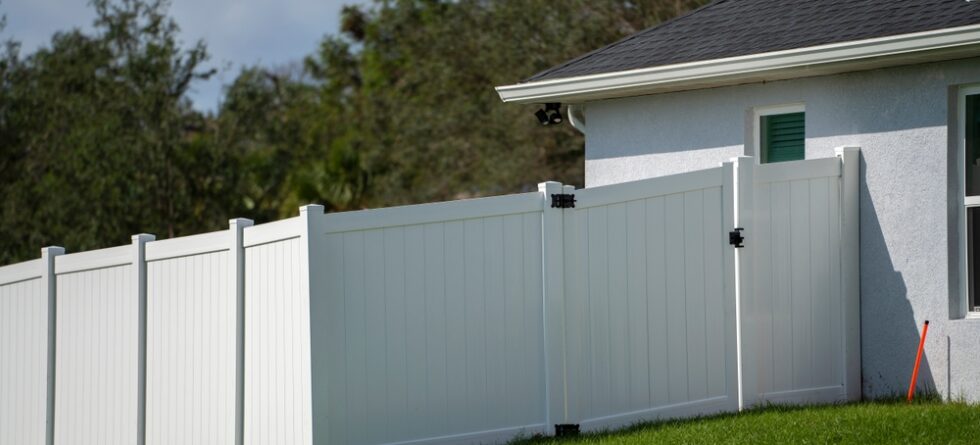
You keep a vinyl fence from sagging by making sure the posts are strong, the rails are supported correctly, and the fence is installed with the right spacing from the start. Sagging usually happens when the fence is carrying more weight than it should, the posts are not stable enough, or the rails begin to weaken over time.
A vinyl fence is designed to stay straight and clean-looking, but it still depends on proper support. If one part of the structure shifts, the fence can start to droop, bow, or look uneven. The best way to prevent that is to focus on strength at the post level and keep the fence system properly aligned.
Start with strong fence posts
Set posts deep enough
Fence posts need to be set deep enough in the ground to handle the weight of the panels and the pressure from wind. If posts are too shallow, they can begin to lean or move, and that can lead to sagging sections along the fence line.
Use proper concrete support
Concrete around the posts helps keep them firm and upright. A weak post base is one of the most common causes of fence movement. If the posts are not solid, the rails and panels will not stay properly supported.
Keep the spacing correct
Vinyl fence posts should be spaced according to the fence system you are using. If the posts are too far apart, the rails may not have enough support and can begin to sag in the middle. Even a fence that looks fine at first can start to droop later if the span is too wide.
This is why careful measuring matters so much during installation. Vinyl fencing works best when the panels and rails fit the exact spacing they were designed for.
Support the rails properly
Make sure the rails fit tightly
The horizontal rails should sit securely in place and connect properly to the posts. Loose or poorly fitted rails can allow the fence section to drop over time. Once the rails lose support, the whole panel can begin to look uneven.
Watch long fence runs
Long straight runs can place repeated stress on the same sections, especially in heat, wind, or uneven ground conditions. Proper post spacing and a well-fitted rail system help prevent those long runs from starting to bow or sag.
Give extra attention to gates & heavy sections
Gate areas often sag faster than standard fence panels because they deal with extra weight and repeated movement. A gate post usually needs stronger support than a normal line post. If the gate post shifts, the gate can drag, misalign, or pull on nearby fence sections.
Heavier sections of fence and areas exposed to strong winds should also be checked more carefully. These parts often show the first signs of strain if the installation is not strong enough.
Check for ground movement & shifting
Even a well-built fence can develop problems if the ground shifts over time. Wet soil, loose fill, frost movement, or erosion can affect post stability. If a post starts to move, the fence section connected to it may begin to sag or tilt.
Checking the fence from time to time helps catch these issues early. A small amount of movement is easier to fix before it turns into a larger alignment problem.
Prevent damage from heat & impact
Vinyl can expand and contract with temperature changes, so the fence should be installed in a way that allows it to perform as intended. Strong impact from lawn equipment, fallen branches, or heavy force can also weaken the rails or connectors and make sagging more likely later.
Keeping the fence clear of unnecessary stress helps it stay straighter for longer. Simple care around the fence line can make a real difference over time.
Fix small problems early
If you notice a panel starting to dip, a post moving slightly, or a rail becoming loose, it is best to deal with it early. Small issues often become larger because the rest of the fence starts carrying extra strain. A quick repair can stop the problem from spreading to other sections.
Waiting too long can lead to a fence that looks uneven across a much larger area, which often means more work and more cost later.