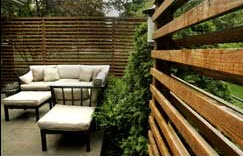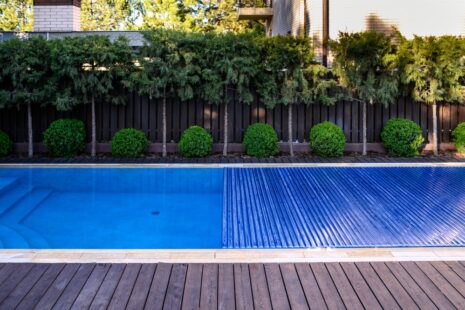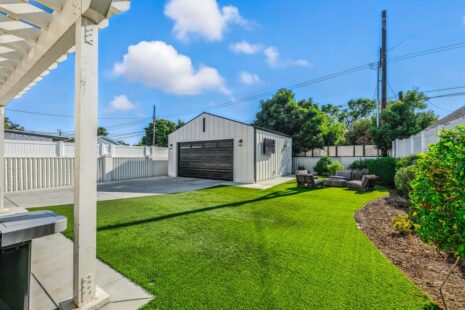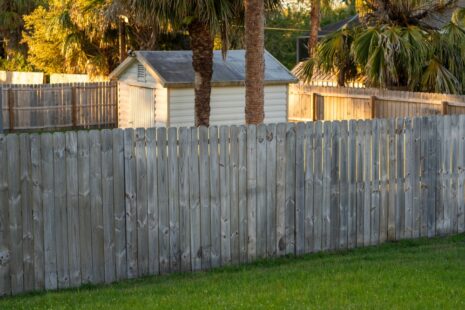

A vinyl fence is not highly soundproof on its own. It can reduce a small amount of noise, especially if it is tall, solid, and installed without gaps, but it is not one of the strongest options for serious noise control. If your goal is to block light neighborhood sound, a vinyl fence may help a little. If your goal is to reduce heavy traffic noise, loud music, or constant road sound, a standard vinyl fence usually will not be enough.
The reason is simple. Soundproofing works best with materials that have mass and density. Vinyl fencing is lightweight compared with concrete, brick, masonry, or specially designed acoustic fencing. Since it does not have as much weight, it cannot block as much sound.
What a vinyl fence can do
A solid vinyl privacy fence can interrupt the direct path of some sound. This can make a yard feel slightly quieter, especially when compared with open fencing styles like picket fences or slatted panels. It may help soften voices, reduce some everyday neighborhood noise, and create a stronger sense of privacy that makes sound feel less noticeable.
If the fence is tall and fully sealed, it can perform better than a shorter fence with openings. Height matters because it helps block more of the direct sound path. A continuous surface also matters because sound can slip through even small gaps.
Why vinyl fencing has limits for soundproofing
It is lighter than better sound barriers
The biggest weakness of vinyl fencing for sound control is its low mass. Heavy barriers block sound better because they resist vibration and reduce sound transfer more effectively. Vinyl does not offer the same resistance as concrete walls, brick walls, earth berms, or purpose-built acoustic fence systems.
It reflects more than it absorbs
Vinyl is a hard surface, which means it tends to reflect sound instead of absorbing much of it. This does not mean it has no value, but it does mean it works more as a simple barrier than as a true sound-absorbing solution. That is why it often needs help from landscaping or added acoustic features if noise is a major problem.
Noise can still travel over & around it
Even a solid vinyl fence cannot stop all sound because outdoor noise moves freely through open air. Sound can travel over the top of the fence, around the ends, and through weak points in the layout. This becomes more noticeable with traffic noise, which spreads across a wide area and is harder to control with one lightweight barrier.
When a vinyl fence works best for noise
A vinyl fence works best when the noise problem is moderate and the main goal is to create a more comfortable backyard rather than true soundproofing. It can be a reasonable choice for reducing some neighborhood activity noise, adding privacy, and improving the feel of an outdoor space.
It also helps when the fence is part of a layered setup. For example, a vinyl fence with dense shrubs, trees, or hedges nearby can create a better result than the fence alone. The fence blocks part of the sound path, and the planting helps soften and scatter some of the remaining noise.
What works better than a standard vinyl fence
Acoustic fencing
Acoustic fencing is made specifically for noise reduction. It is usually denser and better sealed than ordinary vinyl fencing, which helps it reduce more sound.
Concrete or masonry walls
Concrete and masonry are much better at blocking noise because they have far more mass. These are often some of the strongest choices for properties affected by busy roads or strong outdoor noise.
Earth berms & layered barriers
Raised soil berms, especially when combined with planting or fencing, can perform very well because they add both mass and height. A layered approach is often more effective than depending on one fence material alone.
How to make a vinyl fence more effective
If you already have a vinyl fence or plan to install one, there are ways to improve its performance. A taller solid-panel design will usually do better than a shorter one. Careful installation with no gaps at the bottom or between panels also helps. Adding dense landscaping near the fence line can improve the feel of the space and slightly reduce the sharpness of outdoor noise.
It also helps to place the fence as close as possible to the noise source or along the main edge where sound enters the yard. That way, it interrupts the noise earlier before it spreads across the property.