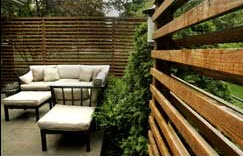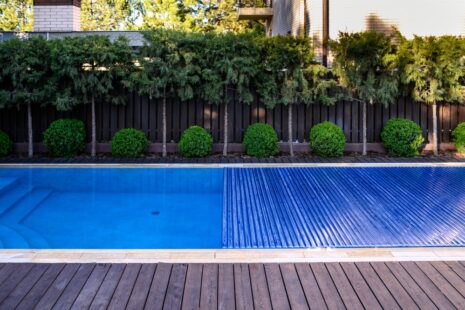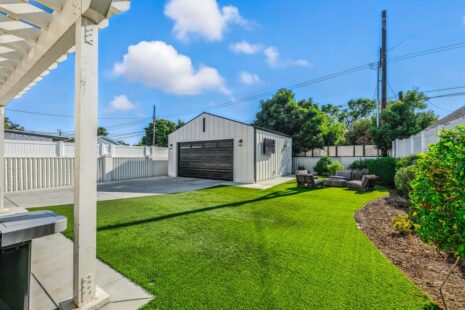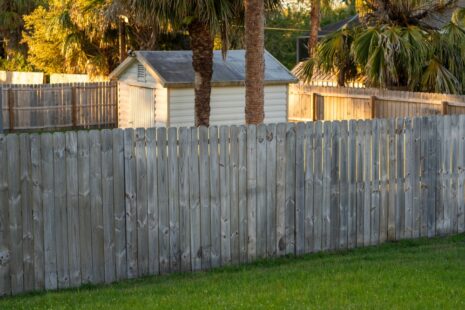
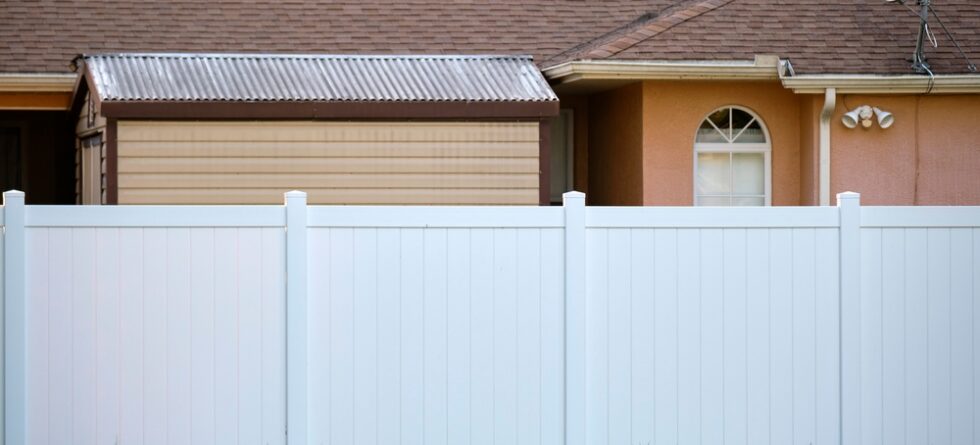
Wood is usually better than vinyl for a sound barrier. The main reason is that sound blocking works best with materials that have more mass and density. A solid wood fence is heavier than a standard vinyl fence, so it usually does a better job of reducing noise.
That does not mean vinyl fencing cannot help at all. A solid vinyl privacy fence can still reduce some sound, especially compared with open fencing styles. Still, if you are comparing standard vinyl fencing and solid wood fencing for noise control, wood is often the stronger option.
Why wood usually performs better for sound blocking
Wood has more mass
Heavier materials usually block more sound. Wood has more natural weight and density than most standard vinyl fence panels, which helps it resist sound waves more effectively. This makes a solid wood fence more useful when the goal is to reduce traffic noise, voices, or general neighborhood sound.
Solid wood can feel more substantial
A well-built wood privacy fence often feels more solid than a vinyl fence. That extra substance can make a noticeable difference when you want the fence to act as a barrier instead of only a visual screen.
Where vinyl fencing has limits
Vinyl fencing is usually lighter than wood, and lighter materials do not block as much sound. A vinyl privacy fence can interrupt some of the direct sound path, but it often reflects sound more than it truly blocks it. This is one reason vinyl fences are usually seen as moderate noise reducers rather than strong sound barriers.
Vinyl can still be useful for privacy, appearance, and low maintenance, but noise control is not usually its strongest advantage compared with wood.
When vinyl can still work well
For mild noise problems
If the noise is not too severe, a tall solid vinyl fence may still improve comfort in the yard. It can help reduce some voices, light neighborhood noise, and part of the sound coming from nearby activity.
When low maintenance matters most
Some homeowners choose vinyl because it is easier to care for over time. If you want a fence that needs less upkeep and noise reduction is only one part of the goal, vinyl can still be a reasonable choice.
What matters more than material alone
The material matters, but it is not the only thing that affects sound performance. A fence works better for noise when it is tall, solid, and installed without gaps. Even a good material will do less if there are spaces between boards, openings under the fence, or weak points along the line.
This means a poorly built wood fence may not perform as well as expected, while a well-installed solid vinyl fence may still offer some benefit. Still, with both fences built properly, wood usually has the advantage for sound blocking.
Can either fence fully block noise?
Not usually. Both wood and vinyl fences can reduce some sound, but neither one will make a noisy yard completely silent by itself. Outdoor noise travels over and around fences very easily. This is especially true with traffic noise and low rumbling sounds.
The best results often come from combining the fence with other features like dense landscaping, added height, and smart yard layout. A fence helps most when it is one part of a larger noise reduction plan.
Which is the better choice overall?
If your main goal is the best sound barrier, wood is usually the better choice. If your main goal is lower maintenance and a clean appearance, vinyl may still be attractive, even though it is not usually as strong for sound control.
The better fence depends on what you care about most. For stronger noise reduction, wood usually wins. For easier upkeep, vinyl often wins.