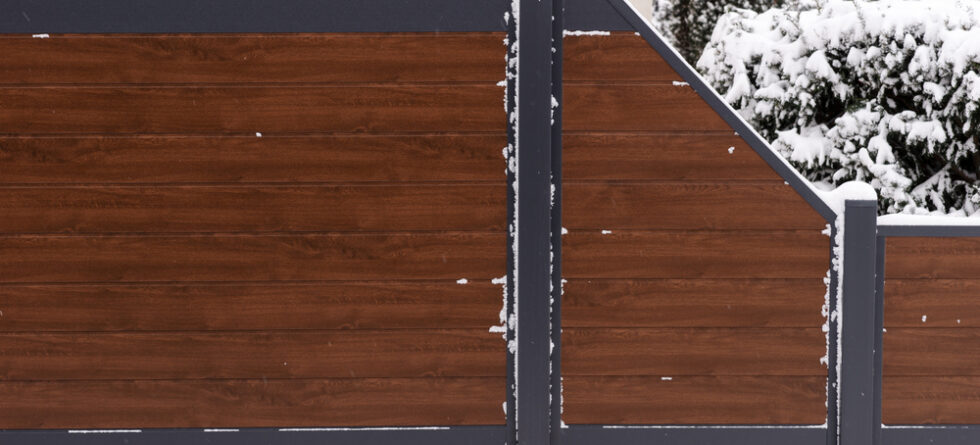
Yes, vinyl fencing can be good in cold weather, but it needs to be good quality and installed properly. Many homeowners choose vinyl because it does not rot, does not need painting, and handles moisture better than wood. In cold climates, those benefits can still make it a strong fencing option.
Still, cold weather can affect vinyl in ways homeowners should understand. As temperatures drop, vinyl can become less flexible and more brittle than it is in warmer weather. That does not mean it will fail in winter, but it does mean quality, thickness, and installation matter a lot more.
Why vinyl fencing can work well in cold climates
It does not rot from winter moisture
Snow, ice, and wet ground can be hard on many outdoor materials. Vinyl has an advantage because it does not absorb water and rot the way wood can. This makes it appealing in places with long winters, heavy snow, and repeated freezing and thawing.
It needs less seasonal maintenance
Vinyl fencing usually does not need scraping, repainting, or sealing after harsh winter weather. For many homeowners, that lower maintenance is one of the main reasons vinyl feels worth using in colder areas.
It keeps a clean look
A good vinyl fence often keeps its appearance well through changing seasons. It can still get dirty from mud, salt, or winter buildup, but it usually cleans up more easily than many painted wood surfaces.
What cold weather can do to vinyl fencing
It can become more brittle
One of the biggest concerns in cold weather is that vinyl becomes less flexible as temperatures drop. That means a fence may be more likely to crack if it gets hit hard by a snow shovel, a falling branch, or another strong impact during very cold conditions.
Impact matters more in winter
A vinyl fence that handles everyday conditions well may still be more vulnerable if something strikes it when the weather is very cold. The material itself is not necessarily weak, but cold temperatures can make it less forgiving.
Poor-quality vinyl may struggle more
Not all vinyl fencing is made the same. A lower-quality fence may be thinner, weaker, or less able to handle temperature changes well. That is why better-quality vinyl usually performs more reliably in colder climates.
Why installation matters so much
Vinyl fencing expands and contracts with temperature changes, so proper installation is important in any climate, especially in places with cold winters and warmer summers. A fence needs the right spacing, secure posts, and a system that allows normal movement without putting too much stress on the materials.
If the installation is poor, the fence may be more likely to shift, crack, or develop problems as the seasons change. A good product still needs a good installation to perform well in cold weather.
How vinyl compares with wood in cold weather
Vinyl often handles winter moisture better than wood because it does not rot and does not need repainting after wet conditions. Wood can still perform very well, but it often needs more care over time and may be more affected by moisture, warping, or long-term weathering.
At the same time, wood may handle hard impact differently than vinyl in deep cold. That means each material has strengths and weaknesses. Vinyl often wins on moisture resistance and maintenance, while wood may appeal more to those who prefer a natural material.
How to make vinyl fencing perform better in winter
Choosing a higher-quality product is one of the best steps. Stronger posts, thicker components, and a well-made system can make a big difference. It also helps to avoid hitting the fence with heavy tools or equipment during freezing weather, since impact damage is more likely when the material is colder.
Keeping the fence line clear and checking for any loose posts or stressed sections after winter storms can also help it stay in good condition over time.