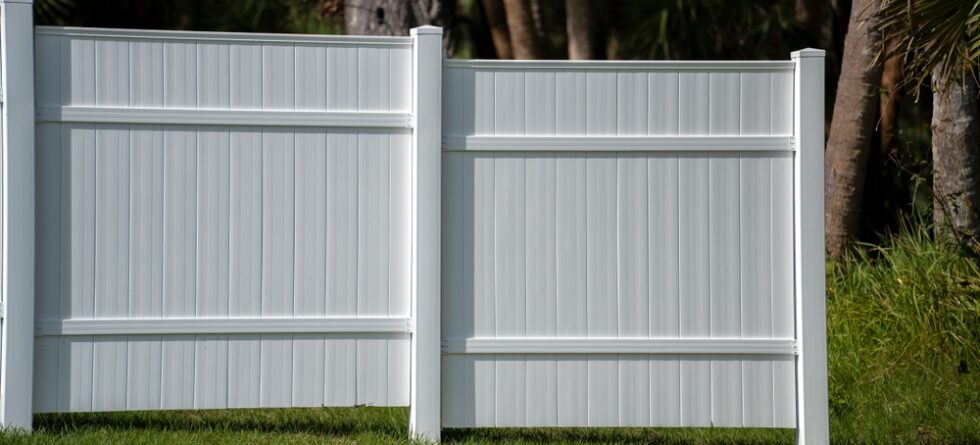
Vinyl fencing can be a better quality for many homeowners, but it depends on what you mean by quality. If you mean lower maintenance, better moisture resistance, and a fence that stays neat with less work, then vinyl is often seen as a higher-quality choice. If you mean natural appearance, traditional character, or the feel of real wood, then some people may still prefer wood instead.
That is why the answer is not the same for everyone. Vinyl fencing is often considered better quality in terms of convenience, durability, and ease of care. Still, quality can also mean style, texture, and personal preference, and that is where opinions can differ.
Why do many homeowners see vinyl as a better quality
It needs less maintenance
One of the main reasons people see vinyl fencing as better quality is that it usually needs much less work over time. It does not normally need painting, staining, or sealing the way wood often does. For many homeowners, that makes vinyl feel more dependable and easier to own for the long term.
A fence that stays attractive with simple cleaning often feels like a higher-quality product because it asks for less time, less money, and less regular effort.
It handles moisture better
Vinyl fencing does not rot like wood, which is a major advantage in rainy, humid, or damp conditions. Moisture is one of the biggest causes of fence wear, so a material that resists it well often feels like the stronger long-term option.
This is one of the biggest reasons vinyl is often described as better quality for practical everyday use. It gives homeowners fewer moisture-related worries over the years.
It avoids insect damage
Wood fencing can sometimes face termite or insect problems, while vinyl does not have that same weakness. That added durability makes vinyl feel more stable and lower risk in many settings.
Why some people do not think vinyl is better
Wood looks more natural
Some homeowners do not see vinyl as better quality because they prefer the warmth and character of real wood. A cedar or wood fence may feel richer, more traditional, and more natural in the landscape. For people who care most about that look, vinyl may feel more practical but not more beautiful.
Not all vinyl fencing is made the same
A good-quality vinyl fence can be a strong product, but a cheaper vinyl fence may look thin or feel less sturdy. This matters because people sometimes judge the whole material by a lower-grade version. A better-made vinyl fence and a weaker one can feel very different in real use.
It usually costs more upfront
Vinyl often costs more at the beginning than many wood fence options. Some homeowners do not view that as a better quality if they can get a fence they like for less money. For them, value and quality may not point to the same material.
What better quality usually means in real life
For many people, better quality means the fence lasts well, stays looking good, and causes fewer problems. In that kind of comparison, vinyl often does very well. It keeps a clean appearance, resists moisture, and asks for much less upkeep than wood.
Still, if someone defines quality by natural beauty and traditional style, they may still choose wood even with the extra maintenance. That is why quality is partly practical and partly personal.
When vinyl fencing is likely the better quality choice
Vinyl is often the better-quality choice if you want a low-maintenance fence, live in a wet climate, or want a fence that stays neat and consistent with less work. It is especially appealing for homeowners who care most about durability and ease over many years.
It can also be a smart choice for busy households, rental properties, and homes where simple upkeep matters more than the look of natural materials.