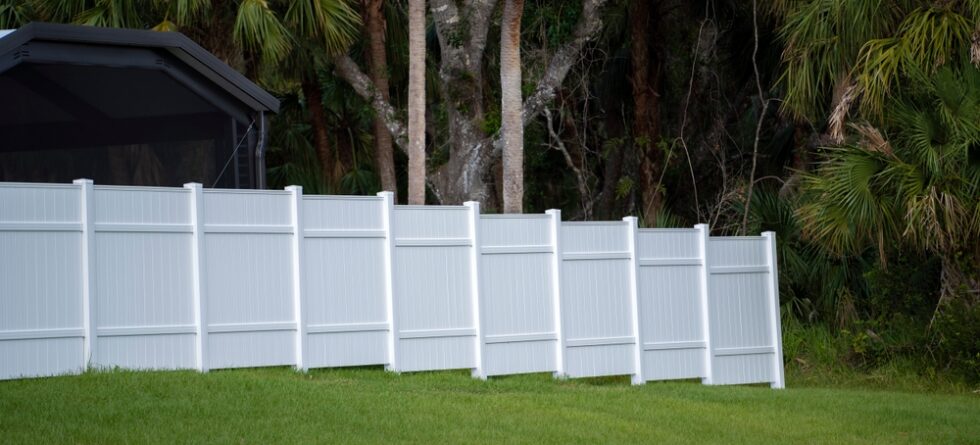
No, a vinyl fence usually should not touch the ground. In most cases, it is better to leave a small gap between the bottom of the fence and the ground. This helps with drainage, reduces stress on the panels, and allows the fence to sit more evenly, even if the yard is not perfectly flat.
A vinyl fence is designed to be strong and low maintenance, but it usually performs better when it is not pressed directly into soil or grass. Constant ground contact can make the fence harder to clean and can cause the bottom edge to collect dirt, moisture, and debris over time.
Why a small gap is usually better
Ground is rarely perfectly level
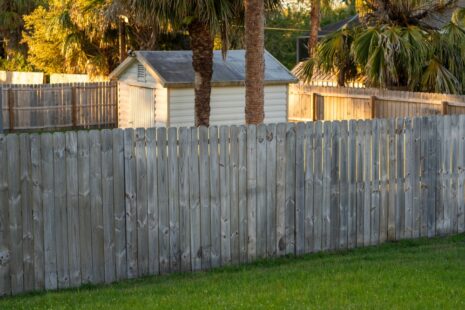
Even when a yard looks flat, the ground often has small dips and rises. If a vinyl fence is forced to touch the ground all the way across, it can end up looking uneven or placed under unnecessary pressure.
It helps with drainage
A little space under the fence allows water to move away more easily. That helps reduce mud buildup and keeps leaves, mulch, and wet soil from sitting tightly against the bottom of the fence.
It reduces stress on the fence
When the bottom of the fence stays in direct contact with the ground, shifting soil, roots, and seasonal movement can put extra stress on the fence line. A small gap helps the fence stay cleaner and more stable.
When a fence may be installed lower
For pets or small animals
Some homeowners want less space under the fence so pets cannot slip through or dig under it easily. In that case, the fence may be installed lower to the ground, but it still usually should not be forced directly into the soil.
For stronger privacy
A lower gap can also make the fence feel more private and enclosed. This can be useful if you want less visibility at the base, but it is still best to allow some clearance instead of full ground contact.
What happens if it does touch the ground?
If a vinyl fence touches the ground, dirt and debris can build up more easily and make the base harder to keep clean. The fence may also look uneven over time as the soil settles or shifts. In some climates, freezing and thawing can create more pressure at the bottom if the fence is too tightly set against the earth.
Even though vinyl does not rot like wood, direct ground contact can still create maintenance and appearance issues that make the installation less ideal.
How much gap is usually normal?
The exact gap can vary depending on the yard, the fence style, and the reason for the fence. Many vinyl fences are installed with a small clearance of a few inches. The goal is to keep the fence looking level and functional without leaving such a large gap that it becomes a problem for privacy or pets.
The best result usually comes from balancing appearance, drainage, and practical use rather than trying to press the fence tightly into the ground.