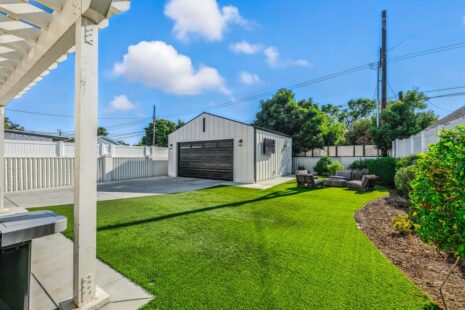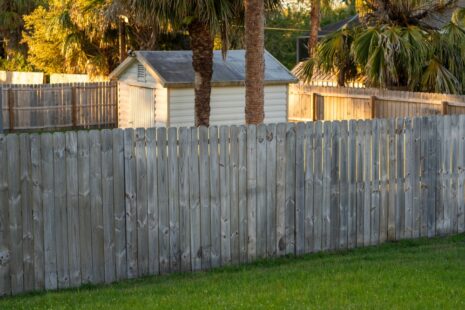
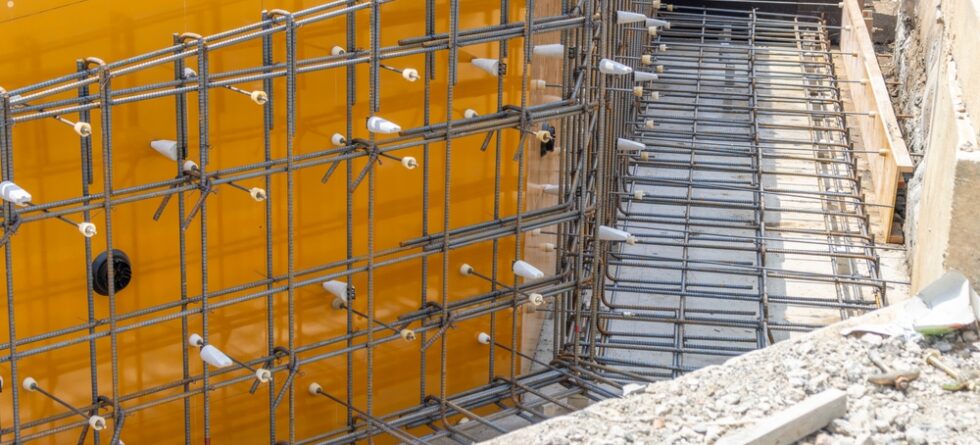
A vinyl fence itself is usually not filled with concrete, but the fence posts are often set in concrete for strength and stability. This is an important difference. Most vinyl fence panels and rails stay hollow as part of the fence system, while the post holes in the ground are commonly filled with concrete to hold the posts firmly in place.
In some cases, certain vinyl posts may also have internal reinforcement, especially for gate posts or high-stress areas, but that does not mean every part of the fence should be packed solid with concrete. The right approach depends on the type of post, the purpose of the fence, and the installation method recommended for that fence system.
Why concrete is usually used around the posts
Fence posts carry the weight and pressure of the whole fence. Wind, ground movement, and gate use all put stress on them. Concrete helps keep the posts straight, secure, and stable over time. Without proper support in the ground, a vinyl fence can lean, shift, or become loose.
This is why many vinyl fence installations use concrete in the post holes rather than inside every fence component. The goal is to support the structure where it matters most.
When vinyl posts may need extra reinforcement
Gate posts
Gate posts often need more support than standard line posts because they carry extra weight and deal with repeated movement. In many fence systems, gate posts may need an internal metal or wood insert, along with concrete around the base, to prevent sagging or shifting.
Corner & end posts
Corner posts and end posts can also deal with more stress than ordinary line posts. In some cases, extra support may be recommended to help them stay stable over time.
Tall fences or windy areas
If the fence is tall or installed in a place with strong wind, the support requirements may be greater. That can mean deeper post holes, more concrete around the posts, or reinforced posts in key areas.
Why is the whole vinyl fence not usually filled with concrete
Vinyl fencing is designed as a lightweight system. Filling every post or panel with concrete would add a lot of unnecessary weight and could make installation harder without improving the fence in the right way. Most of the strength comes from proper post depth, correct spacing, secure rails, and solid footing in the ground.
Also, many vinyl fence systems are made to allow for expansion and normal outdoor movement. Overfilling parts of the system in the wrong way can create stress or interfere with how the fence is meant to perform.
What is usually the best approach
For most vinyl fences, the best approach is to set the posts in properly sized holes with concrete where needed and follow the fence manufacturer’s instructions for reinforcement. Standard line posts often need concrete footings, while gate posts may need both concrete and internal support.
This gives the fence strength where it needs it most without adding weight where it does not help. Good installation matters more than simply adding more material.
What can go wrong if concrete is used the wrong way
Too much weight in the wrong place
If vinyl posts or sections are filled without a proper reason, the fence may be carrying weight it was not designed for. That can create strain instead of improving performance.
Ignoring the fence system design
Every vinyl fence system is a little different. If the installation does not match the intended design, the fence may not perform as well as it should. That is why following the product instructions matters so much.
Weak support where it matters most
Some people focus on filling the post itself and forget that the footing in the ground is the real source of support. A fence with poor post depth or weak concrete around the base can still fail even if the post has extra material inside it.
What homeowners should remember
A vinyl fence should not usually be filled completely with concrete, but the posts are often set in concrete to keep the fence strong and stable. In special cases, such as gate posts or high-stress areas, extra internal reinforcement may also be needed.
The most important thing is to support the fence correctly, not simply add concrete everywhere. A properly installed vinyl fence relies on strong post footings, correct spacing, and the right reinforcement in the right places.