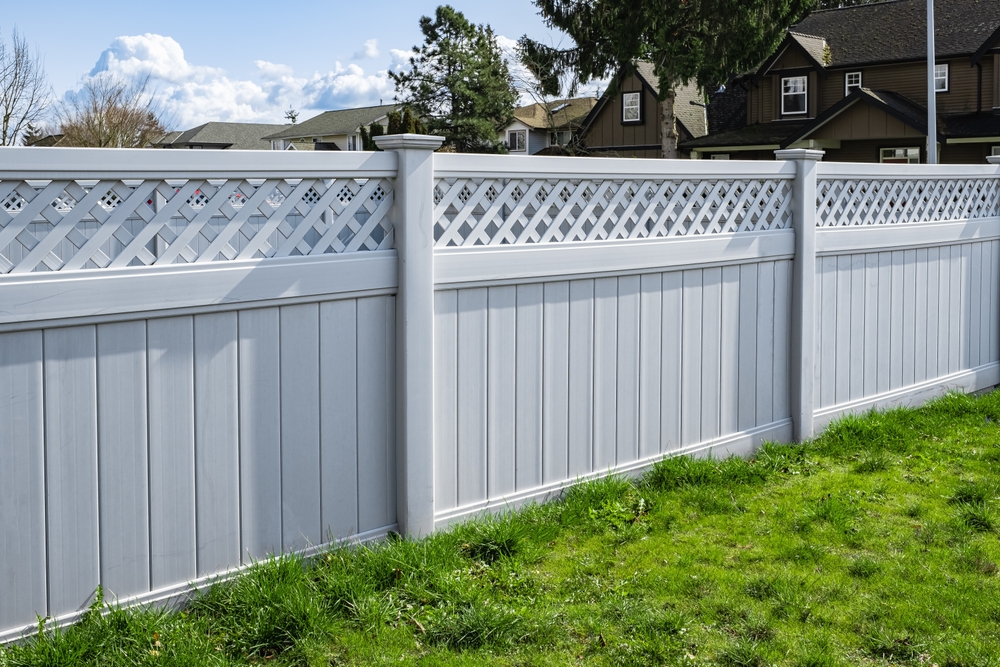
In many cases, yes, people do give their neighbor the good side of a fence. The good side usually means the finished side, with the smoother and more attractive appearance facing outward. This is often seen as the polite and traditional way to install a boundary fence because it improves the view for the neighbor and the street.
Many homeowners choose this approach because it helps avoid tension and shows consideration. A fence is not only a practical feature. It also affects how the boundary feels for both properties. Giving the finished side outward often creates a cleaner and more thoughtful result.
Why the good side often faces the neighbor
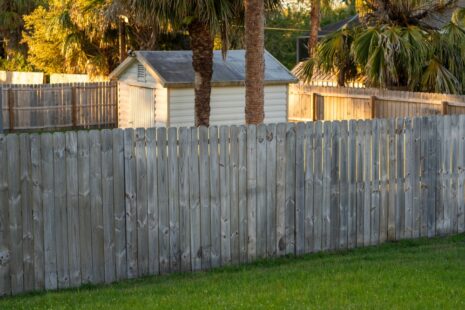
The usual reason is simple courtesy. When the support posts and rails face inward, your neighbor sees the more finished look. This is often considered better fence etiquette and can make the boundary look neater from the outside.
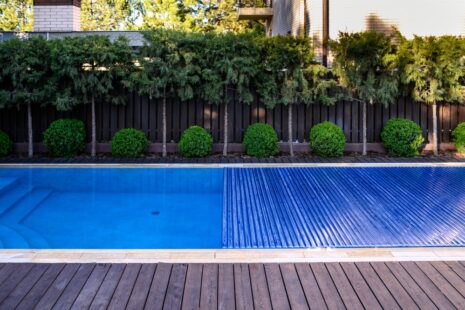
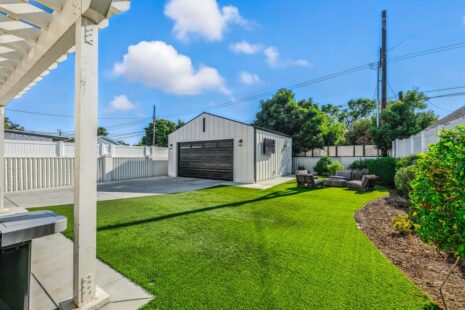
There is also a visual benefit for the wider area. If the fence faces a road, path, or shared view, the finished side can make the property look more attractive and well-kept. This can help the fence blend in better with the neighborhood.
Why some people keep the good side facing their own yard
They want the nicer view
Some homeowners feel that if they are paying for the fence, they should enjoy the better-looking side. That is a common thought, especially when the fence is fully on their property, and they are covering all of the cost.
They want easier access to the structure
Some fence styles are built with the rails and posts facing inward because it can make maintenance, repairs, or future adjustments easier from inside the yard. For some people, that practical point matters more than the traditional outward-facing appearance.
They are using a different fence design
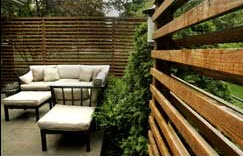
Not all fences have a clear good side and back side. Some modern fences look the same on both sides, which removes the issue completely. These can be a smart choice when you want the boundary to feel fair and balanced for both homes.
What matters most before making the decision
Local rules & neighborhood standards
Some places have local rules, permit conditions, or homeowner association standards that affect which way a fence should face. In some areas, the finished side is expected to face outward. In others, the rules may focus more on height, placement, and materials than on fence direction.
This is why it is a good idea to check local requirements before installation. A fence that looks fine to one homeowner may not meet local expectations in another area.
Your relationship with your neighbor
A boundary fence can become a source of tension if one side feels ignored or treated unfairly. A quick conversation before installation can prevent problems later. Even if you are not sharing the cost, it often helps to let your neighbor know what you are planning.
The fence style itself
If you want to avoid the issue entirely, a good-neighbor fence design may be the best option. These fences are built so both sides look finished, which helps create a more balanced appearance and can reduce disagreement.
Is there a best choice?
For many homes, giving the neighbor the good side is still the most widely accepted and courteous choice. It follows common fence etiquette and often looks better from the outside. Still, it is not the only acceptable option. The best choice depends on your local rules, your fence style, and how you want the project to work for both properties.
If keeping a positive relationship matters, choosing a fence that looks good from both sides can be one of the simplest and smartest solutions. It removes the debate and creates a cleaner result for everyone.