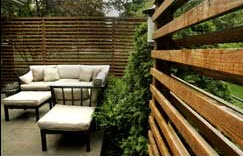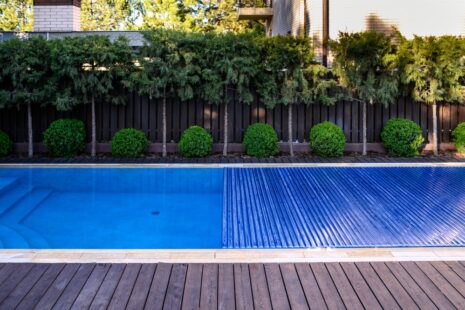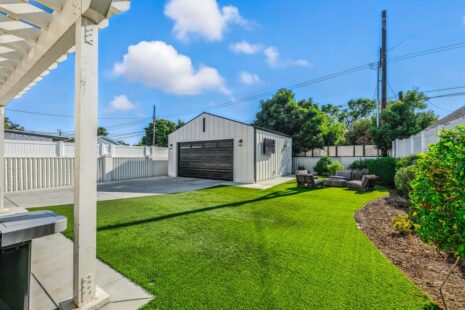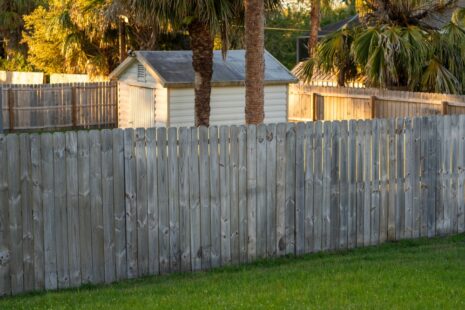
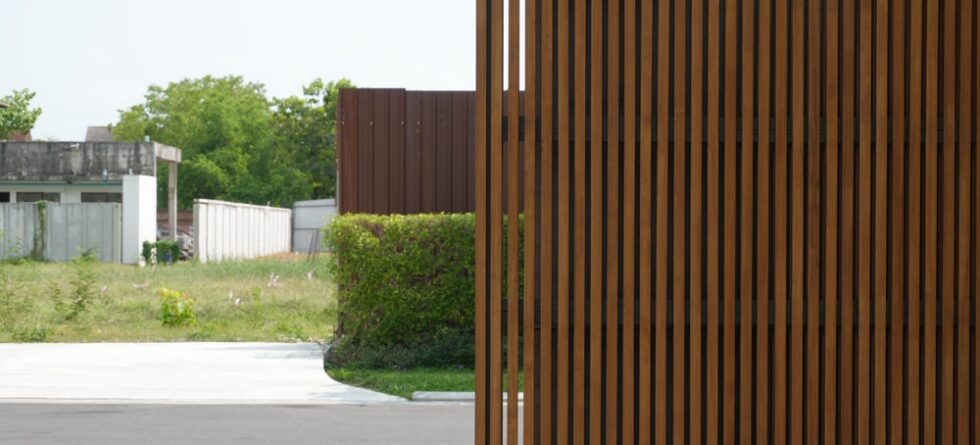
Wood and vinyl fencing are both popular choices, but they offer different advantages. A wood fence is often chosen for its natural appearance, lower upfront cost, and classic style. A vinyl fence is often chosen for its low maintenance, moisture resistance, and cleaner long-term upkeep.
The better option depends on what matters most to you. If you want a warmer and more traditional look, wood may be the better fit. If you want a fence that needs less work over time, vinyl may be the better choice.
Pros of a wood fence
More natural appearance
One of the biggest strengths of a wood fence is its natural look. Many homeowners prefer the texture, warmth, and character of real wood because it feels more traditional and more connected to the landscape.
Lower upfront cost
Wood fencing is often less expensive at the start than vinyl. That can make it the better choice for homeowners who want to control the first project cost and still get a good-looking fence.
Flexible style options
Wood can be painted, stained, cut, and customized in many ways. This gives homeowners more freedom if they want a very specific design or want the fence to match the home closely.
Cons of a wood fence
More maintenance
Wood usually needs more care over time. It may need staining, sealing, painting, or board replacement to stay in good condition. This is one of the biggest reasons some homeowners choose vinyl instead.
More vulnerable to moisture
Wood can rot, warp, crack, or weaken when exposed to long-term moisture. Even durable wood types still need care if you want them to last well.
Possible insect damage
Wood can also face termite or other insect problems, depending on the material and local conditions. That adds another long-term concern that vinyl usually avoids.
Pros of a vinyl fence
Low maintenance
Vinyl fencing is popular because it usually does not need painting, staining, or sealing. For many homeowners, simple cleaning is enough to keep it looking neat.
Better moisture resistance
Vinyl does not rot like wood, which makes it especially appealing in rainy, humid, or damp areas. This is one of its biggest practical advantages.
Clean & consistent appearance
Vinyl fencing often has a smooth, uniform look that stays consistent over time. If you want a fence that keeps a polished appearance with less work, vinyl can be very appealing.
Cons of a vinyl fence
Higher upfront cost
Vinyl fencing usually costs more at the beginning than many wood fence options. That first price is one of its biggest drawbacks for budget-conscious homeowners.
Less natural look
While vinyl can look clean and attractive, some people feel it lacks the warmth and natural beauty of real wood. If style and texture matter most, this can be an important downside.
Can crack under strong impact
Vinyl is durable for normal use, but it can crack if hit hard. In very cold weather, it can also become less flexible and more brittle.
Which one is better for different priorities?
Choose wood for natural beauty & lower upfront cost
If you love the look of real wood and want to spend less at the start, wood is often the better option. It works especially well if you do not mind regular maintenance.
Choose vinyl for easier long-term care
If you want a fence that resists moisture and stays neat with less work, vinyl is often the better option. It makes sense for homeowners who prefer convenience and lower upkeep.