The best color for a vinyl fence is usually the one that matches your home, your yard, and the amount of maintenance you are comfortable with. For many homeowners, white is the most popular choice because it looks clean, classic, and works with many home styles. Still, the best color is not always the same for every property.
Some people want a bright traditional look. Others want something softer, warmer, or more modern. The best vinyl fence color depends on the style of your home, the color of your exterior, how much sun the fence gets, and how much dirt or wear you want to notice over time.
Why white is often the most common choice
It looks classic & clean
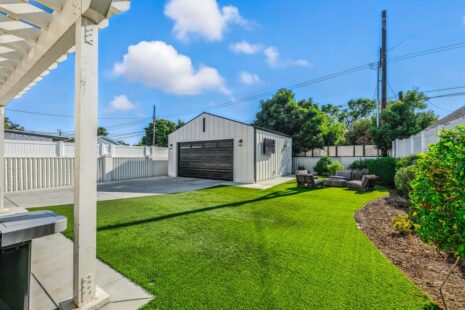
White vinyl fencing has a timeless look that suits many homes. It feels bright, tidy, and familiar, which is one reason it remains one of the most popular choices. It works especially well with traditional homes, neat landscaping, and yards where a lighter boundary helps the space feel open.
It reflects heat better
Lighter colors usually absorb less heat than darker ones. That can be helpful in sunny areas where strong heat may put more stress on the fence over time.
It stands out clearly
White fencing creates a very visible border, which some homeowners love. It can make the fence feel crisp and finished, especially around gardens and green lawns.
Why tan or beige can be a smart choice
It hides dirt a little better
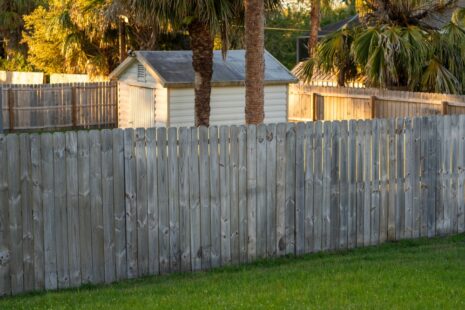
Tan, beige, and similar softer neutral shades often hide dust, soil marks, and everyday outdoor grime better than bright white. That can make the fence feel easier to keep looking neat.
It feels warmer & softer
These colors often blend more gently with landscaping, stone, and earth-toned homes. If you want the fence to feel natural and less bright, a warmer neutral can be a very good option.
Why gray & darker colors appeal to some homeowners
They can look more modern
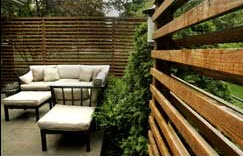
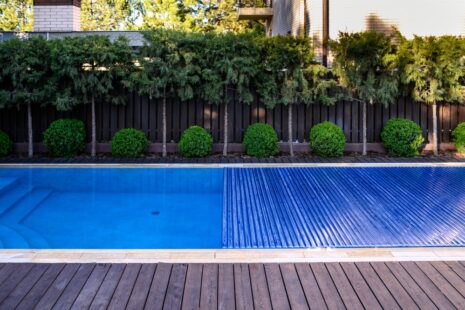
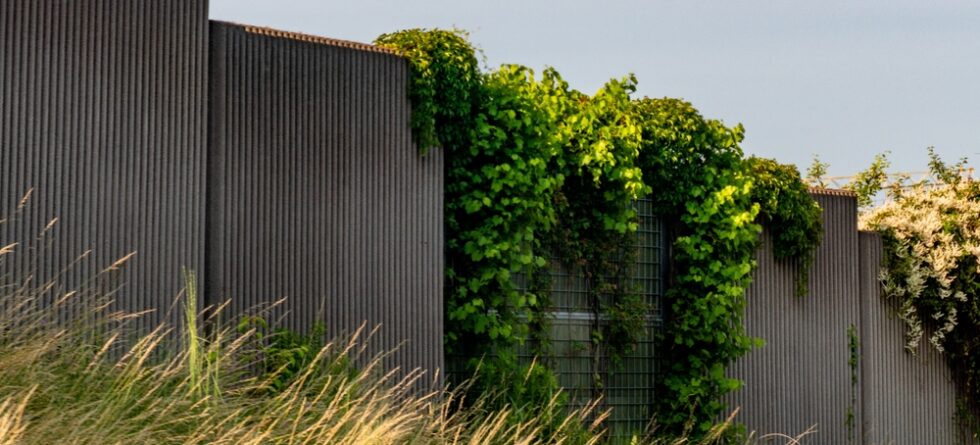
Gray, charcoal, and black vinyl fencing often feel more current and design-focused. These colors can work very well with modern homes, darker trim, and cleaner exterior lines.
They create a stronger visual statement
Darker fencing can make the yard feel more bold and upscale. It often stands out in a different way than white by looking more dramatic and more contemporary.
They may show heat more
Darker colors usually absorb more sun and heat. That does not mean you should avoid them, but it does mean they should be chosen carefully, especially in very hot sunny areas.
How to choose the best color for your home
Match the house exterior
A vinyl fence usually looks best when it works with the house rather than competing with it. Think about the siding color, roof tone, trim, brick, stone, and overall style of the property. A fence should feel like part of the home, not something unrelated.
Think about the yard & landscaping
The fence color should also work with the plants, lawn, garden beds, and hard surfaces around it. White can brighten a yard, while tan may blend more softly. Gray and black can create contrast and make greenery stand out.
Consider upkeep & appearance over time
If you want the cleanest classic look, white may still be the best choice. If you want a color that hides dirt a little better, tan or beige may be more practical. If you want a bold modern look, gray or black may be the better fit.
Which color is best for most homeowners?
For most homeowners, white is still the safest and most widely appealing choice because it is classic, bright, and works with many house styles. Tan or beige is often the best choice for a softer, lower-contrast look that can hide dirt a bit better. Gray or black is often best for a more modern and design-focused home.
So the best color really comes down to your style goal. White is best for tradition and brightness, tan is best for warmth and practicality, and darker colors are best for a stronger modern look.