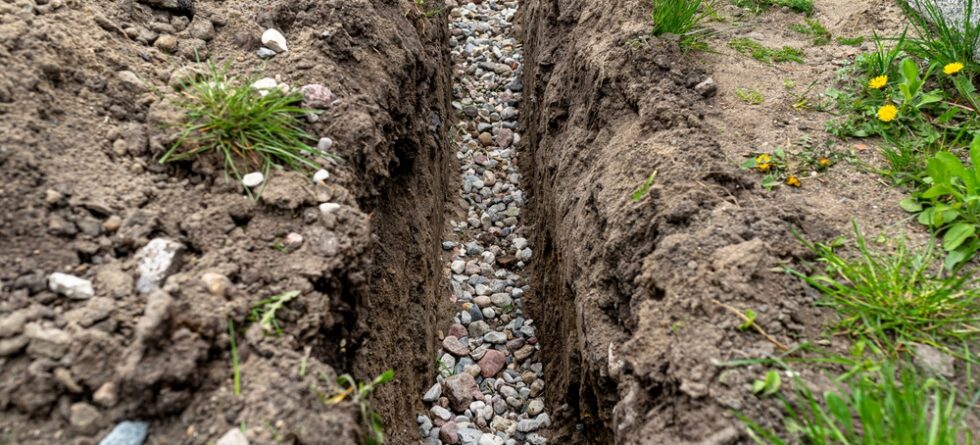
What you put under a vinyl fence depends on what problem you are trying to solve. In many cases, nothing special needs to go directly under the fence except properly prepared ground. A vinyl fence is usually installed with posts set in the ground, often with concrete around the posts, while the space under the fence is left as natural soil or finished landscaping.
Still, some homeowners add materials under the fence to control weeds, stop digging pets, reduce erosion, improve drainage, or close a gap near the bottom. The best choice depends on the look you want and how you use the yard.
What is usually under a vinyl fence
Natural soil
In many standard installations, the area under a vinyl fence is simply leveled soil. This is the most common setup. The fence posts are secured in the ground, and the fence panels sit above the soil with a small gap rather than being buried into the earth.
Concrete around the posts
The concrete usually goes in the post holes, not all along the bottom of the fence. This helps keep the posts strong and stable while the rest of the fence line stays open to the ground surface.
Common materials people put under a vinyl fence
Gravel
Gravel is often used under or along a fence line to improve drainage and reduce mud buildup. It can also help create a cleaner edge and make maintenance easier in wet areas. For some yards, gravel is a practical way to keep the base of the fence looking neat.
Mulch
Mulch is often used when the fence runs along a garden bed or landscaped border. It gives a softer look and helps control weeds. Still, it is best not to pile mulch too tightly against the fence, since buildup at the bottom can make cleaning harder.
Weed barrier fabric
Some homeowners place weed barrier fabric under gravel or mulch along the fence line. This can help reduce weed growth and make the area easier to maintain. It is often used more for landscaping control than for the fence itself.
Pavers or edging
Pavers, bricks, or landscape edging can be placed under a vinyl fence when you want a clean finished border. This can help reduce grass trimming around the fence and make the line look more organized. It can also help if you want to limit digging by small pets.
What to use for specific problems
For drainage problems
If the area stays wet, gravel is often one of the better things to put under a vinyl fence. It helps water move away more easily and keeps the bottom area from turning into mud.
For weeds & grass control
If the goal is easier maintenance, a weed barrier with gravel, mulch, or edging can help reduce plant growth under the fence and make trimming simpler.
For dogs digging under the fence
If pets are digging, some homeowners use buried edging, pavers, or other barrier materials at the base. In that case, the goal is not only appearance but also stopping escape routes under the fence.
What you usually should not do
You usually should not bury the bottom of a vinyl fence directly into the soil. A vinyl fence normally performs better with a small gap at the bottom instead of being forced into the ground. Direct contact with shifting soil, roots, and moisture buildup can make the installation look uneven over time.
It is also not usually necessary to pour a continuous strip of concrete under the whole fence. The support should be focused at the posts unless the project has a special design reason for something more.
How to choose the best option
The best thing to put under a vinyl fence depends on your yard conditions and goals. If you want simple drainage, gravel may work best. If you want a softer landscaped look, mulch may be better. If you want weed control and a cleaner border, fabric and edging may be the right fit.
The most important thing is to keep the fence line neat, allow for proper drainage, and avoid creating unnecessary pressure or buildup against the panels.