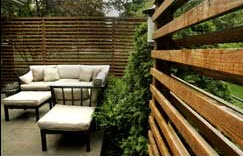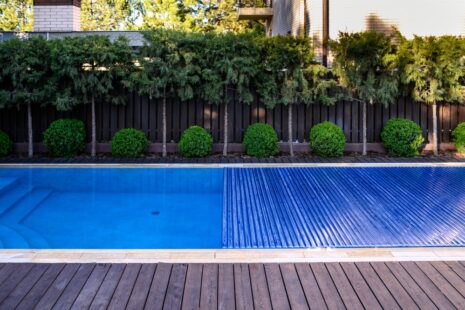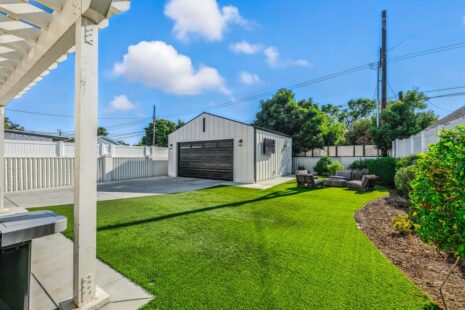
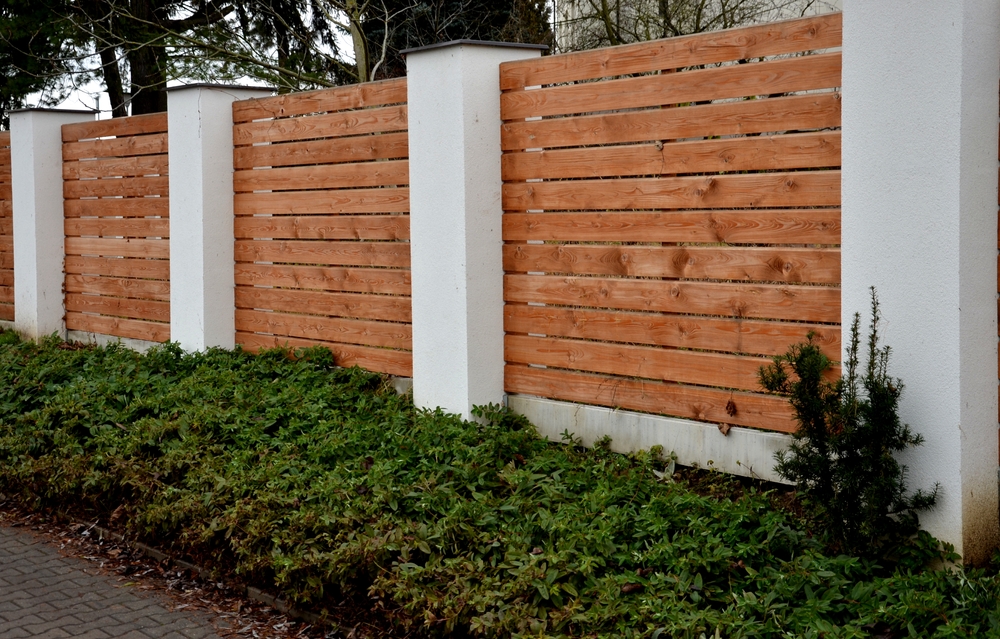
Wood fencing is usually less expensive at the start than vinyl fencing. For many homeowners, wood has a lower upfront cost for materials and installation, which makes it the cheaper option when the main goal is to spend less right away.
Vinyl fencing usually costs more in the beginning because the materials are more expensive and the system is often more specialized. Even so, the full cost story is not only about installation day. Over time, vinyl may save money on maintenance because it does not need painting, staining, or the same level of repair that wood often needs.
Why wood fencing usually costs less upfront
Wood is often more affordable to buy and install, especially for standard residential privacy fences. It is widely available, comes in different grades and styles, and can fit many budgets more easily than vinyl.
This lower starting price is one reason wood remains a popular choice. Homeowners who want a natural look and need to keep the first cost down often choose wood because it gives them a traditional fence without the higher initial price of vinyl.
Why vinyl fencing often costs more at first
Vinyl fencing usually comes with a higher purchase price because the materials are manufactured and designed as a system. Posts, panels, and rails are often made to fit together in a more exact way, which can increase the cost compared with a basic wood fence.
Installation can also cost more in some cases, especially if the fence style is more decorative or if the system requires specific parts. That higher first cost can make vinyl feel like the more expensive option for many homeowners.
Where vinyl can save money later
Less maintenance
One of the biggest advantages of vinyl is that it usually needs less upkeep. It does not need staining, sealing, or painting the way wood often does. For many homeowners, that means fewer ongoing costs over the years.
Moisture resistance
Vinyl does not rot like wood. It also does not face the same level of insect damage or moisture-related wear. That can reduce repair and replacement costs over time, especially in wet or humid areas.
Where wood can cost more over time
Regular upkeep
Wood fencing often needs more care to stay in good condition. Depending on the type of wood and the climate, it may need staining, sealing, painting, or board replacement over the years.
Weather & aging
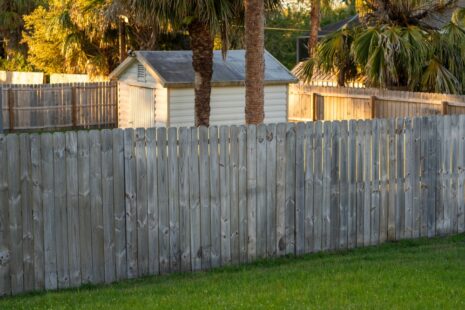
Wood can warp, crack, rot, or fade with time. Even a beautiful wood fence may cost more to maintain if you want it to keep looking fresh and strong for many years.
Which one is the better value?
If you only care about the lowest upfront price, wood fencing is usually the least expensive choice. If you are thinking more about long-term maintenance and ease of care, vinyl may feel like the better value even though it costs more at the beginning.
The better option depends on what matters most to you. Some homeowners prefer the lower first cost and natural appearance of wood. Others prefer paying more now to avoid years of painting and upkeep later.