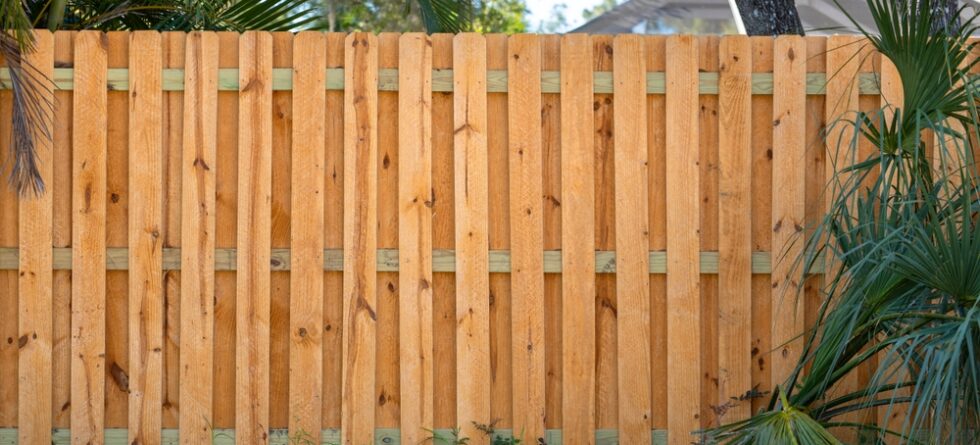
The best fencing for noise reduction is usually a tall, solid, dense fence with no gaps. If your goal is to reduce traffic sound, loud neighbors, barking dogs, or general outdoor noise, the fence needs to block as much of the direct sound path as possible. That is why solid fencing performs much better than open styles.
For most homes, the best fencing choices for noise reduction are acoustic fencing, solid wood privacy fencing, composite fencing, and in extreme cases, masonry or concrete walls. These options work better because they have more mass and create a more continuous barrier against sound.
Why do some fences reduce noise better than others
Noise travels in waves, and those waves move easily through openings and around lightweight barriers. A fence helps most when it is heavy enough to resist sound and solid enough to stop sound from passing straight through. Even a small gap under the fence or between panels can reduce how well it works.
This is why the best fencing for noise reduction is not usually chosen for appearance alone. Height, density, and proper installation matter just as much as the material itself.
Best fencing options for noise reduction
Acoustic fencing
Acoustic fencing is often the best choice when noise reduction is the main priority. It is made specifically to reduce sound transfer and usually performs better than standard residential fencing. If you live near a busy road or deal with regular outdoor noise, this type of fencing is often one of the strongest options available.
Solid wood privacy fencing
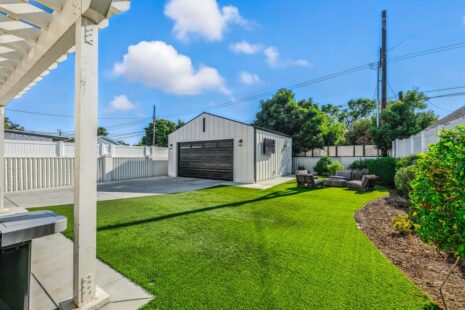
A solid wood privacy fence is one of the best standard residential options for reducing noise. Wood has more mass than many lighter materials, which helps it block sound better. A tall wood fence with tightly fitted boards can make a noticeable difference in everyday backyard noise.
Composite fencing
Composite fencing can also work well for noise reduction because it is solid and substantial. It often gives a stronger barrier than lighter vinyl fencing and can be a good choice for homeowners who want a balance of privacy, durability, and lower maintenance.
Masonry or concrete walls
If the goal is the strongest sound blocking possible, masonry and concrete are often even better than standard fencing. These barriers have much more mass, which makes them highly effective against outdoor noise. They may cost more and feel heavier visually, but they are often among the best solutions for strong noise problems.
Fence types that do less for noise reduction
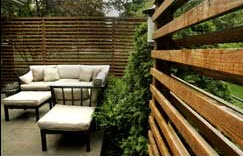
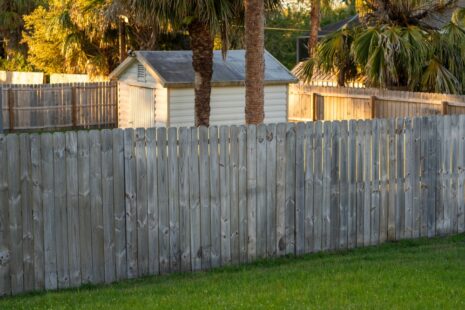
Open fencing styles like chain link, picket fences, and slatted decorative fences do very little for noise reduction because sound passes through them easily. Standard vinyl privacy fencing can help a little if it is solid and tall, but it is usually lighter than wood or masonry, so it does not block as much sound.
If noise control is your main concern, it is better to choose fencing based on mass and coverage rather than only on low maintenance or style.
What makes a noise-reducing fence work better
Height matters
A taller fence usually blocks more sound than a shorter one. This is because it interrupts more of the sound path between the source of the noise and the area you want to protect.
No gaps are important
A fence for noise reduction should be as continuous as possible. Gaps at the bottom, spaces between boards, and weak joints all let sound through more easily.
Placement affects results
A fence usually works best when it is placed close to the noise source or along the part of the property where the sound enters most directly. This helps reduce the sound earlier before it spreads through the yard.
Can landscaping improve the result?
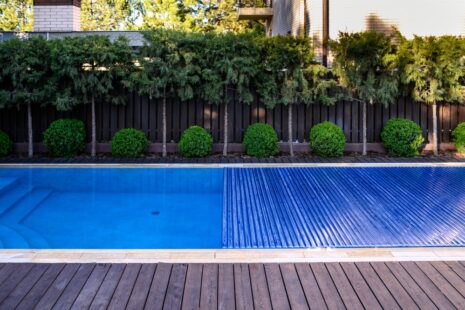
Yes, landscaping can improve the result, but it usually works best as support rather than the main barrier. Dense hedges, shrubs, and trees can soften the feel of sound and make the yard seem calmer, but they do not block as much noise as a solid fence. When used with strong fencing, they can help create a quieter and more private outdoor space.
This is why many of the best quiet-yard designs use layers. The fence handles the main blocking, and the landscaping helps soften the remaining sound.