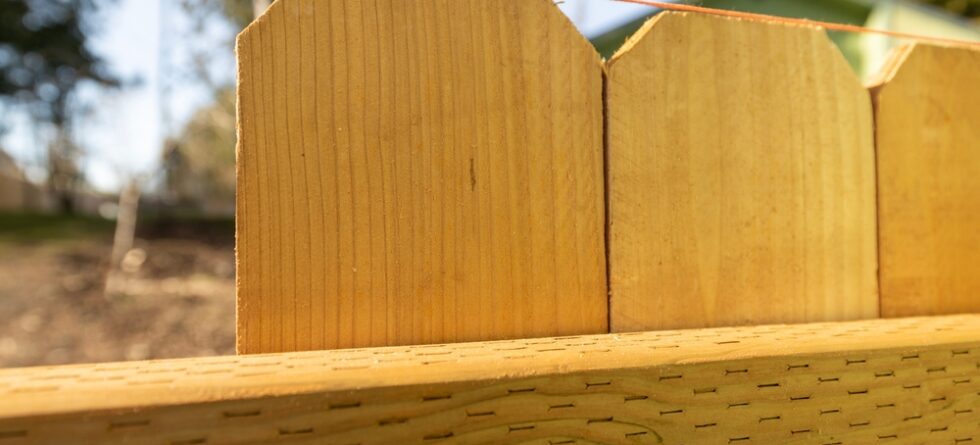
A vinyl fence usually lasts longer than a cedar fence. Cedar is one of the more durable wood fencing options, and it can last a long time when it is well-maintained. Even so, vinyl usually has the advantage in overall lifespan because it does not rot, does not attract insect damage the same way wood can, and needs much less ongoing care.
That is why many homeowners choose vinyl when long-term durability is one of their main goals. Cedar can still be an excellent fence material, but it usually requires more maintenance if you want it to stay in strong condition over the years.
Why vinyl usually lasts longer
It does not rot like wood
One of the biggest reasons vinyl often lasts longer is that it does not rot from moisture exposure. Rain, humidity, and damp conditions can slowly wear down even a good wood fence, but vinyl avoids that particular problem.
It is not affected by insects the same way
Wood can sometimes face termite or insect damage, while vinyl does not have that same weakness. This helps vinyl stay more stable with fewer long-term risks.
It needs less maintenance to stay in good shape
Vinyl fencing usually lasts well because it does not rely on regular staining, sealing, or repainting. A fence that needs less protection work often has a better chance of keeping its condition over a longer period.
Why cedar can still last a long time
Cedar is one of the better wood choices
Cedar is naturally more durable than many other wood fencing materials. It handles outdoor exposure better than some cheaper woods and is often chosen because it offers a strong mix of beauty and durability.
Good maintenance helps a lot
A cedar fence can last for many years if it is cared for properly. Staining, sealing, and regular upkeep can make a big difference in how long it stays attractive and strong.
It has a natural look many homeowners love
Even if vinyl often lasts longer, some homeowners still choose cedar because they prefer the warmth and natural appearance of real wood. For them, the extra maintenance is worth it.
What can shorten the life of each fence
For cedar fencing
Moisture, lack of maintenance, insects, and weathering can all shorten the life of a cedar fence. If cedar is neglected, it can fade, crack, warp, or begin to weaken over time.
For vinyl fencing
Vinyl usually lasts longer overall, but it can still be affected by strong impact, lower-quality materials, poor installation, and in some cases brittleness during very cold weather. It does not rot, but that does not make it damage-proof.
Which one is better for long-term value?
If your main goal is the longest-lasting fence with the least maintenance, vinyl is usually the better choice. It often stays in good condition longer with much less work, which makes it very appealing for busy homeowners or anyone who wants easier long-term ownership.
If your main goal is natural beauty and you are willing to maintain the fence properly, cedar can still be a very good investment. It may not usually outlast vinyl, but it can still offer many years of strong performance with the right care.