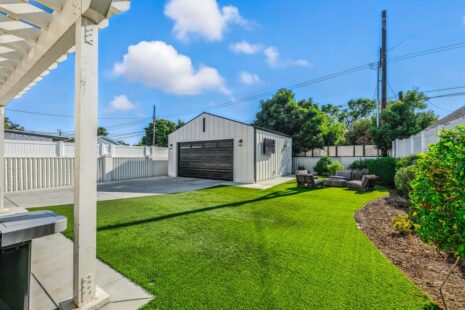
No, a vinyl fence will not rot. This is one of the biggest reasons many homeowners choose vinyl over wood. Vinyl is a synthetic material, so it does not absorb moisture in the same way natural wood does, and it does not break down from water exposure the way a wood fence can over time.
That makes vinyl fencing a strong option in rainy, humid, or damp conditions. If your main concern is rot, vinyl has a clear advantage because rot is simply not one of its normal problems.
Why vinyl does not rot
It is not made from natural wood
Rot happens when natural material stays wet long enough for decay to begin. Since vinyl is not wood, it does not provide the same conditions that lead to rot. Water may sit on the surface, but it does not soak in and cause the kind of breakdown that happens with timber.
It handles moisture better
Vinyl fencing is built for outdoor weather. Rain, damp air, and wet ground do not usually cause the material itself to rot or decay. That is one reason vinyl is often seen as a practical low-maintenance fence material.
What can happen to a vinyl fence instead
Even though a vinyl fence does not rot, it can still have other issues over time. It may collect dirt, develop surface mildew, fade, crack from hard impact, or become more brittle in very cold conditions. These are real concerns, but they are different from rot.
So while vinyl is not damage-proof, it does avoid one of the most common long-term problems that affects wood fencing.
How vinyl compares with wood
Wood can rot without enough care
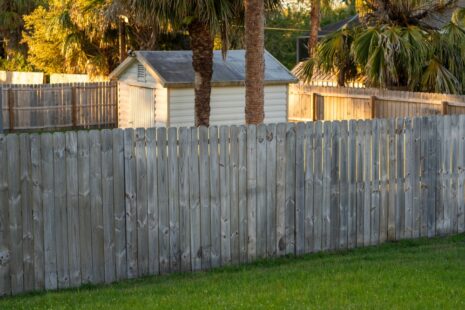
Wood fencing can look beautiful, but it is more vulnerable to moisture. If it is not sealed, stained, or maintained properly, it can begin to rot, warp, or weaken over time.
Vinyl avoids that issue
Vinyl fencing avoids the rot problem completely, which is a major reason some homeowners feel it is worth the higher upfront cost. It can handle moisture with much less long-term worry.