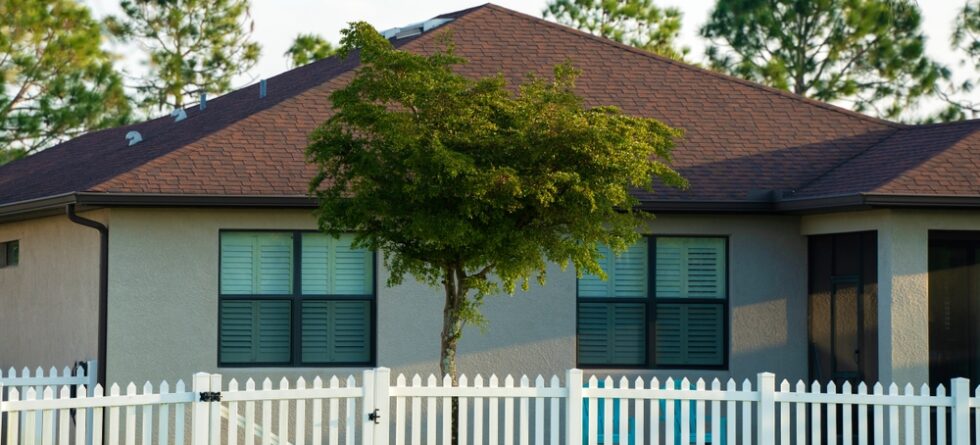
Vinyl fencing is often viewed as a premium option for yards, pools, and property boundaries. Many homeowners ask why a vinyl fence seems more expensive than alternatives like wood or chain link. The truth is that the price reflects the materials used, manufacturing process, installation requirements, and long term value the product provides.
Understanding the factors that contribute to the cost of vinyl fencing can help you decide whether it is the right investment for your property.
High Quality Materials & Manufacturing
Polyvinyl Chloride Composition
Vinyl fencing is made from polyvinyl chloride (PVC), a durable plastic that resists rot, moisture, insects, and rust. The raw materials themselves are more costly than basic wood or metal wire. PVC is engineered with additives such as ultraviolet stabilizers and impact modifiers that protect the fence from sun damage and cracking. These additives increase manufacturing costs but improve long-term performance.
Precision Manufacturing Process
Vinyl panels are extruded through molds to create consistent thickness and strength. Quality control during production ensures boards resist warping and discoloration. Advanced manufacturing techniques and quality materials result in a higher cost per linear foot compared to basic wood fencing materials.
Durability & Low Maintenance
One of the reasons vinyl fencing costs more upfront is that it requires very little maintenance over its lifespan. Unlike wood, which needs regular staining and sealing, vinyl only requires occasional cleaning. The long term savings in maintenance and repairs can make the initial investment worthwhile for many homeowners.
Vinyl also resists rot, rust, and insect damage, reducing the likelihood of frequent board replacement.
Installation Complexity
Installing vinyl fencing properly requires precise leveling, secure post anchoring, and careful panel alignment. Posts are typically set in concrete to provide stability over time. While some homeowners attempt DIY installation, many choose professional installers to ensure straight, durable results. Labor costs contribute to the total expense.
Installing gates, decorative features, or reinforced posts adds to labor time and overall price.
Long-Term Value & Performance
While wood may cost less initially, it typically requires ongoing maintenance such as painting, staining, and sealing to stay in good condition. These recurring costs add up over time. Vinyl fencing, though more expensive up front, often lasts much longer without needing repairs, which means fewer replacement costs in the future.
Property owners who value durability, minimal upkeep, and consistent appearance often find that vinyl fencing delivers good long-term value despite the higher initial price.
Market & Supply Factors
Material costs, regional demand, and availability can affect vinyl fence pricing. Economic factors that influence plastic production, transportation, and labor rates may also impact what you pay at the time of purchase.