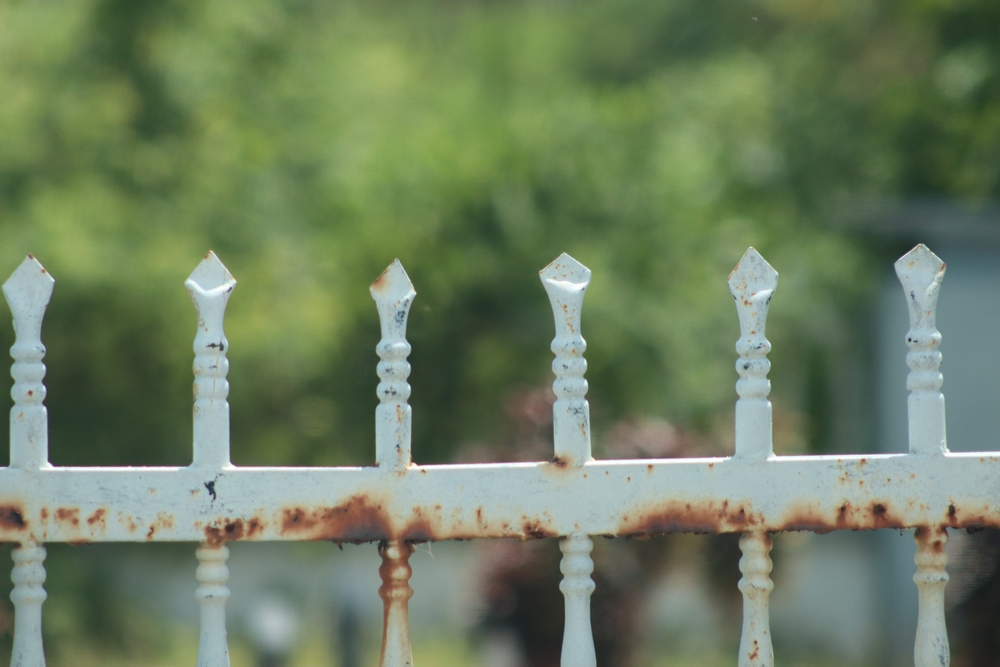
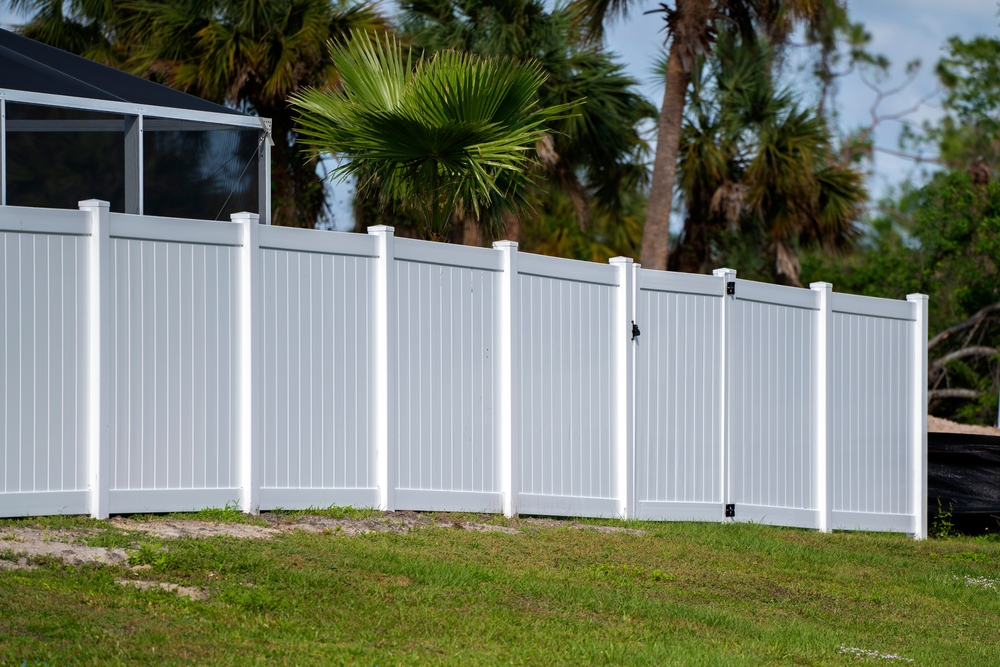
Vinyl fencing is made from a durable plastic material called polyvinyl chloride, which means it cannot rust like metal fences. Rust occurs when iron or steel reacts with moisture and oxygen over…
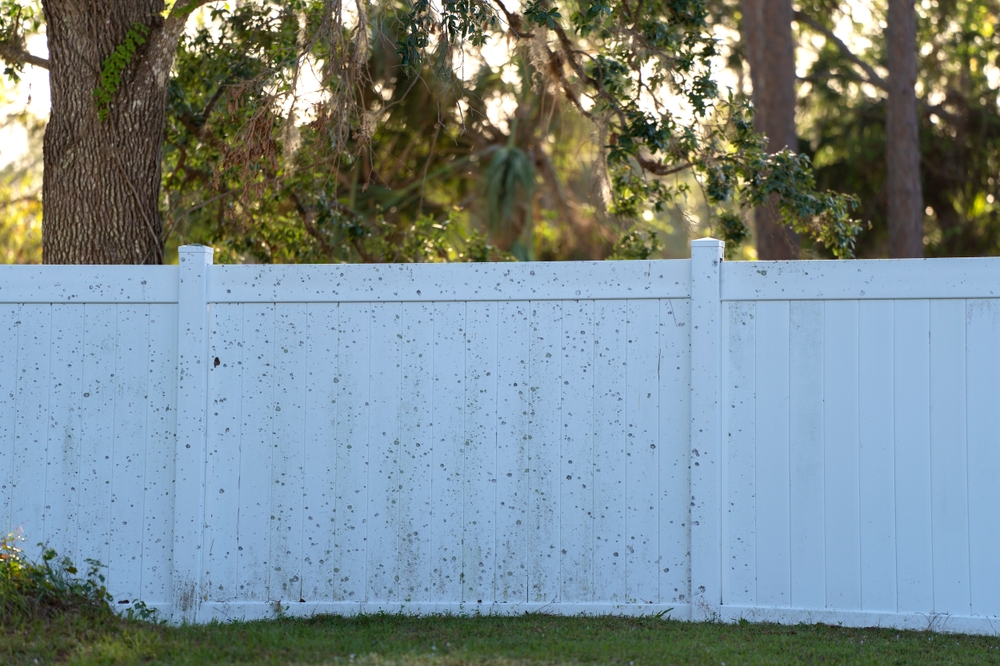
Vinyl fences are designed to stay bright and clean with minimal maintenance. Over time, some fences may develop a green tint or patches, especially in damp or shaded areas. This green discoloration…
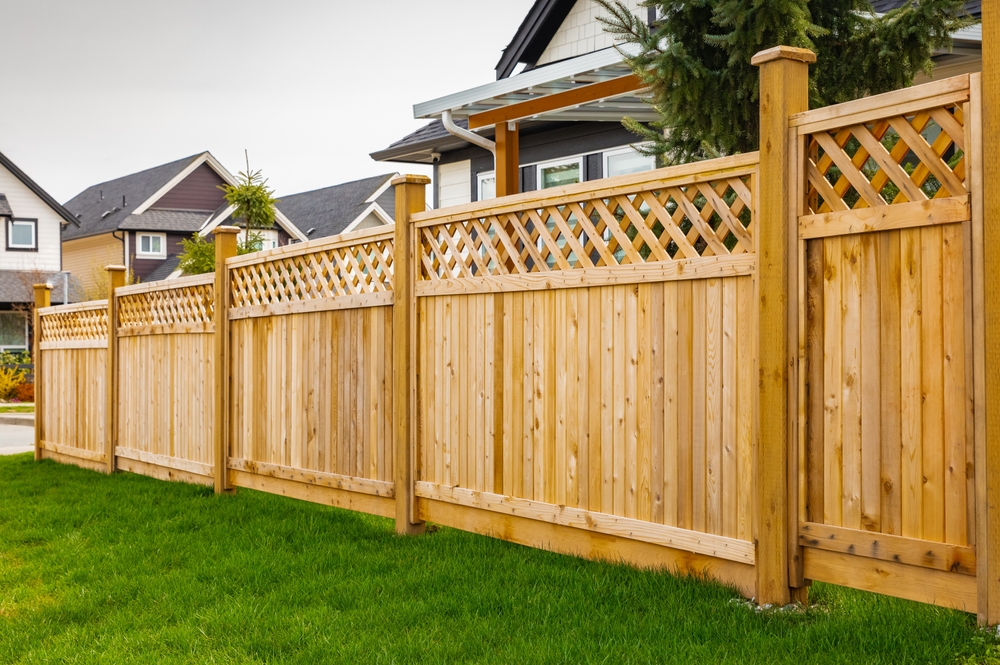
Wood and vinyl are both good fencing choices, but the better one depends on what matters most to you. A wood fence is often better if you want a more natural look,…
If you live in an area that experiences high winds, heavy snow, hurricanes, or frequent storms, choosing the best fencing for extreme weather is important. A strong, well-designed fence can withstand harsh…
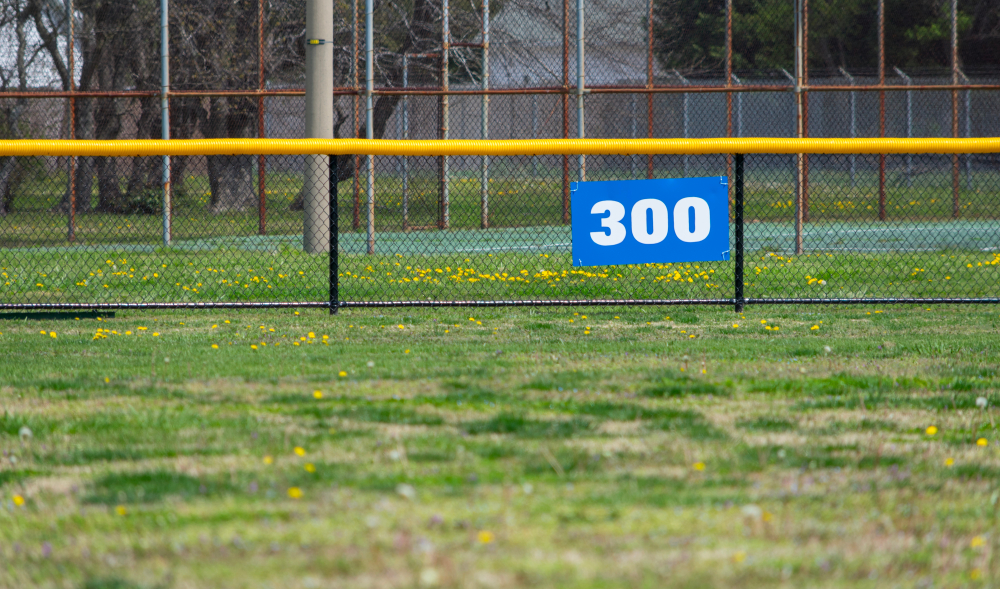
The cost of installing 300 feet of fencing depends on several factors, such as the material used, fence height, design, and labor costs. Fencing is typically priced per linear foot, so estimating…
Many homeowners want a fence that looks good for years without requiring constant repairs, painting, or sealing. A maintenance-free fence is designed to resist weather, insects, and everyday wear while needing very…
When choosing a fence for maximum strength and durability, the style and material both play important roles. The strongest fence style depends on your specific needs, even if you are prioritizing security,…
When installing a vinyl fence, one common question homeowners ask is how much space should be left between the bottom of the fence and the ground. Proper ground clearance is important for…
When choosing a fence for maximum strength, homeowners often want a material that can withstand weather, impact, and long-term outdoor exposure. The strongest fence depends on the type of protection you need,…
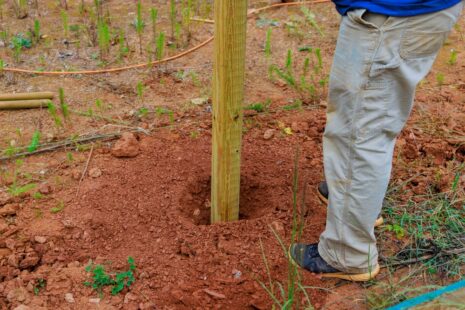
When installing a vinyl fence, one of the most important factors for long-term stability is how deep the posts are buried. Proper post depth ensures the fence remains straight, secure, and resistant…