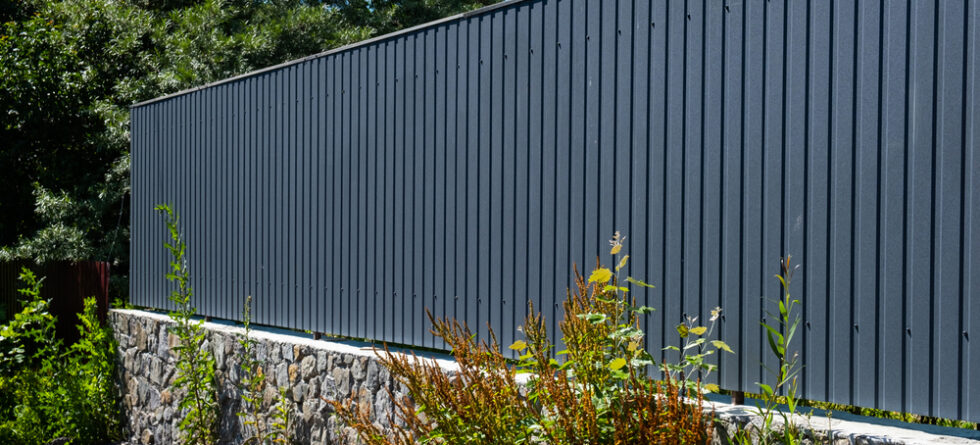
If you live in an area that experiences high winds, heavy snow, hurricanes, or frequent storms, choosing the best fencing for extreme weather is important. A strong, well-designed fence can withstand harsh conditions and protect your property without needing constant repair. The right fencing material and installation method help reduce damage and increase longevity.
Fencing products vary greatly in strength, flexibility, and resistance to the elements. Some are better suited to extreme conditions than others.
Aluminum Fencing
Rust Resistant & Durable
Aluminum fences are highly resistant to rust and corrosion, making them ideal for coastal areas and regions with frequent rain or salt exposure. Their open design allows wind to pass through, which reduces pressure and prevents damage during storms.
Although aluminum fencing does not offer full privacy, it excels in strength and low-maintenance performance in extreme weather.
Chain Link Fencing
Wind Friendly & Affordable
Chain link fences are among the best options for high wind areas because air can easily pass through the mesh, reducing strain on the structure. They are strong, cost-effective, and can be reinforced with tension wires and sturdy posts.
Chain link is also long-lasting and performs well with minimal upkeep.
Vinyl Fencing With Reinforcement
Weather Resistant With Strength
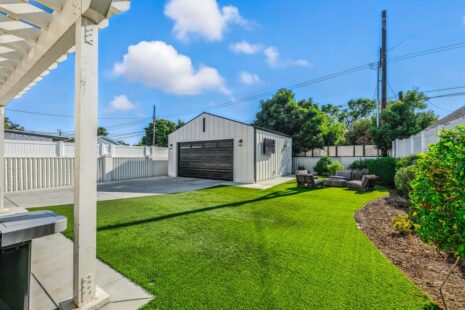
Vinyl fencing can withstand extreme weather when installed with reinforced posts and concrete footings. Solid privacy designs may catch more wind, so reinforcement is important. High-quality vinyl with UV protection resists fading, moisture, and temperature changes.
Vinyl is low maintenance, and its flexibility helps it endure shifting conditions without cracking.
Wood Rail Or Split Rail Fencing
Open Design For Wind
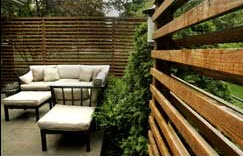
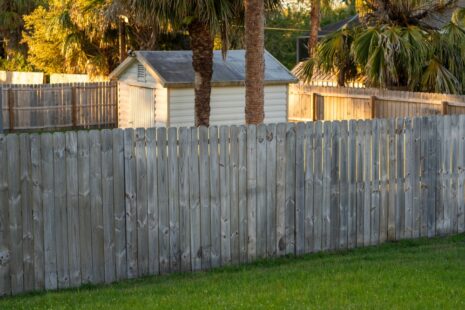
Open wood rail fences allow wind to pass through easily, reducing load on posts. While they do not provide privacy, they are excellent for marking property boundaries in windy regions. Proper treatment and maintenance help prevent rot in wet climates.
Cedar and pressure-treated wood offer increased resistance to decay.
Concrete Or Masonry Walls
Maximum Strength & Protection
For the most extreme weather conditions, concrete or masonry fencing offers unmatched durability. These fences act as solid barriers against wind and flying debris. They require less frequent replacement but cost more upfront and require professional installation.
Masonry fences can also provide noise reduction and additional security.
Installation Quality Matters
No matter which material you choose, proper installation is key to weather resistance. Posts should be set deep in concrete, footings below the frost line when applicable, and materials chosen for local climate challenges. Reinforcement with metal inserts or braces improves performance in high wind zones or heavy snow loads.
Factors To Consider
Consider your priorities such as privacy, visibility, budget, and local conditions. Open styles are best for wind, while solid barriers like masonry offer protection but require more structural support. Coastal areas may benefit from rust-resistant metals like aluminum, while inland regions with temperature swings may prioritize materials resistant to thermal movement.