
When planning to install a fence, one of the biggest questions homeowners ask is if wood or vinyl is cheaper. The answer depends on whether you are comparing upfront installation costs, long term maintenance expenses, or overall value over time. Wood and vinyl each have advantages and disadvantages, so understanding cost factors helps you choose the right option for your budget and needs.
Below is a comparison of the costs associated with wood and vinyl fencing so you can make an informed decision.
Upfront Installation Cost
Wood fencing is cheaper to install initially than vinyl fencing. Basic wood options, such as pressure-treated pine or cedar, typically cost less per linear foot than vinyl. Materials are usually more affordable, and many homeowners find that labor costs are similar to vinyl if professional installation is used.
Vinyl fencing, on the other hand, tends to cost more upfront. The polyvinyl chloride panels, posts, and accessories are more expensive than most wood materials. Installation may also require more precise leveling and anchoring, which can affect labor costs.
Maintenance Costs Over Time
Wood Maintenance Needs
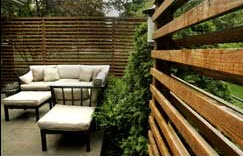
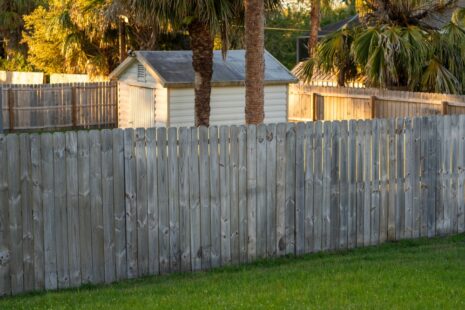
Wood fences often require ongoing maintenance. To stay in good condition, wood needs regular staining or sealing to protect against moisture and sun damage. Wood is also susceptible to rot, insect damage, and warping over time. This means additional expenses for painting, sealing, and repairs.
Vinyl Maintenance Advantages
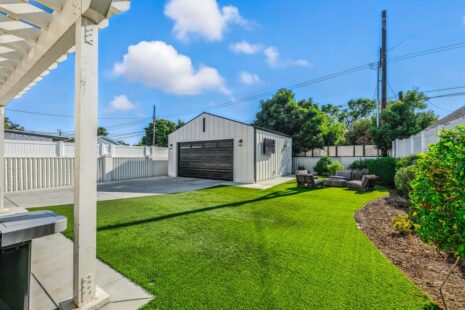
Vinyl fencing is low-maintenance in comparison. It does not require painting, staining, or sealing. Cleaning is usually as simple as rinsing with water and mild soap. Because vinyl does not rot or attract insects, long-term maintenance costs are typically lower.
Durability & Lifespan
Vinyl fencing lasts longer than wood without deteriorating. High-quality vinyl can remain functional for decades with minimal care. A wood fence, even when well-maintained, may eventually need replacing due to weathering and wear.
Considering lifespan is important when evaluating total cost. Although vinyl costs more upfront, it may provide better value over time due to reduced maintenance and replacement expenses.
Appearance & Property Value
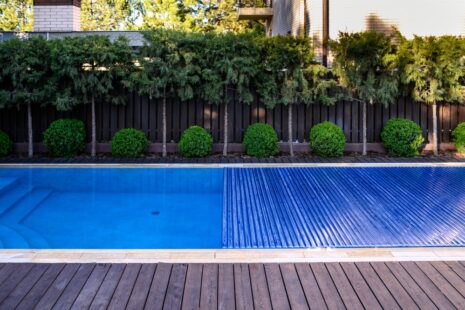
Both wood and vinyl offer attractive looks, but wood provides a classic, natural appearance that some homeowners prefer. Vinyl offers consistent color and a clean, modern look. In some cases, wood may add greater aesthetic appeal for certain home styles, which can influence property value subjectively.
Which Is Cheaper Overall
For pure upfront cost, wood is usually the cheaper option. For long-term cost-effectiveness, vinyl often wins because of its durability and low maintenance. In many situations, homeowners end up spending more on wood maintenance over the years than they initially saved compared to vinyl.