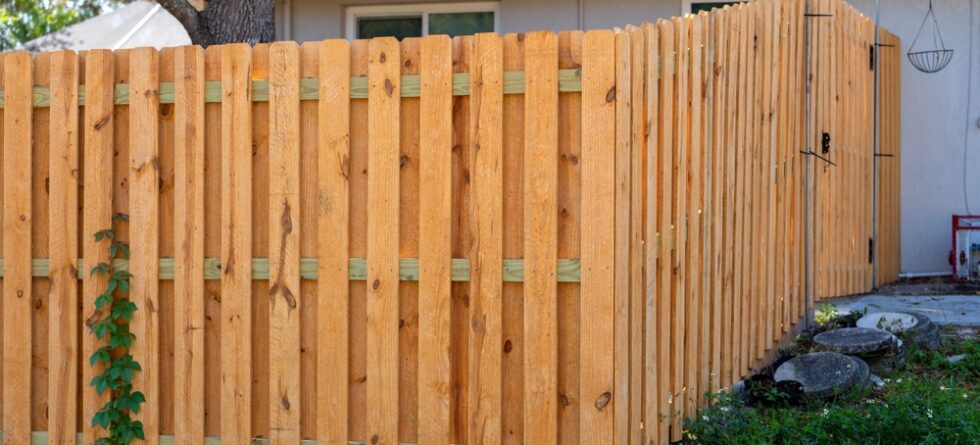
Yes, vinyl fencing usually costs more than wood fencing at the start. In most cases, the upfront price for vinyl materials and installation is higher than the upfront price for a standard wood fence. This is one of the main reasons many homeowners choose wood when they want to keep the initial cost lower.
Even so, the full cost picture is a little more detailed. Vinyl often costs more in the beginning, but wood may cost more over time because it usually needs more maintenance. That means the better value depends on how long you plan to keep the fence and how much upkeep you are willing to handle.
Why vinyl fencing usually costs more upfront
Vinyl fencing is often made as a full fence system with matching posts, rails, and panels designed to fit together in a specific way. Because of that, the materials can cost more than many standard wood fence options. Installation can also be more expensive in some cases, especially if the fence style is more decorative or the system uses specialized parts.
This higher starting price is common with privacy fences, decorative fences, and many residential vinyl systems. For homeowners comparing first costs only, vinyl usually comes out as the more expensive option.
Why wood fencing usually costs less at the start
Lower material cost
Wood is often less expensive to buy, especially for common residential fence styles. It is widely available and comes in different grades and price levels, which makes it easier to find an option that suits a tighter budget.
Simple installation options
Many wood fences are also straightforward to install, which can help keep labor costs lower than some vinyl systems. This makes wood attractive for homeowners who want a traditional fence without spending as much upfront.
Where wood may cost more later
Wood fencing often needs more care over time. It may need staining, sealing, painting, or board replacement as it ages. Depending on the climate and the type of wood, these extra costs can add up over the years.
Wood can also face problems like warping, cracking, rot, and weathering. Even though it starts out cheaper, the ongoing work and repair costs can make it more expensive to own in the long run.
Where vinyl may save money later
Lower maintenance
Vinyl usually does not need painting, staining, or sealing. That means fewer upkeep costs and less time spent maintaining the fence.
Better resistance to moisture
Vinyl does not rot like wood, and it usually handles wet conditions more easily. This can reduce the need for repairs and help the fence stay in good shape longer with simpler care.
Which option is better for your budget?
If your main concern is the lowest upfront price, wood fencing is usually the more affordable choice. If you are thinking about long-term ease and lower maintenance, vinyl may be worth the higher initial cost.
The better option depends on what kind of budget matters most to you. Some homeowners want the lowest cost now. Others are happy to pay more in the beginning to reduce future work and maintenance expenses.