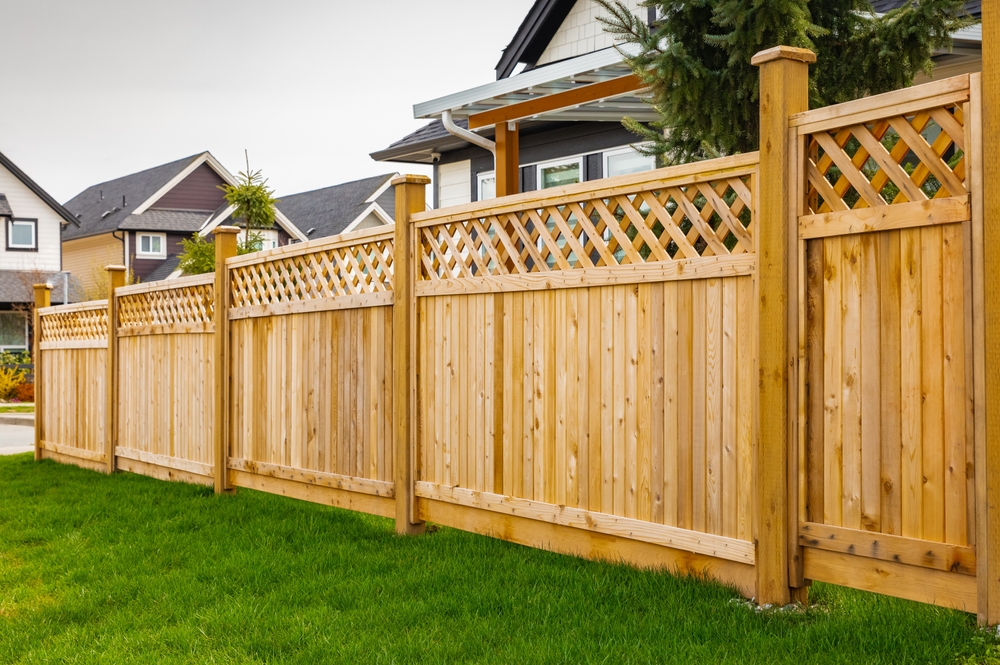
Wood and vinyl are both good fencing choices, but the better one depends on what matters most to you. A wood fence is often better if you want a more natural look, a lower upfront cost, and more design flexibility. A vinyl fence is often better if you want lower maintenance, better moisture resistance, and easier long-term care.
So the best answer is not exactly the same for every homeowner. If you care most about appearance and initial cost, wood may be the better choice. If you care most about convenience and long-term upkeep, vinyl may be the better choice.
Why wood may be the better fence
It has a more natural appearance
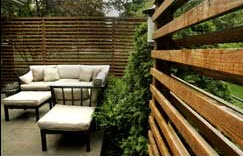
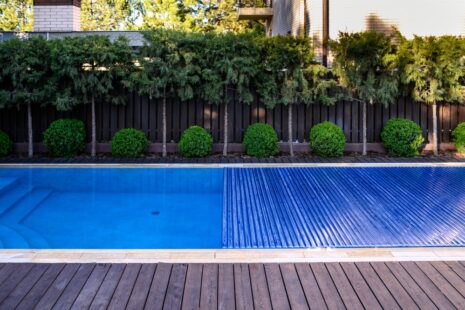
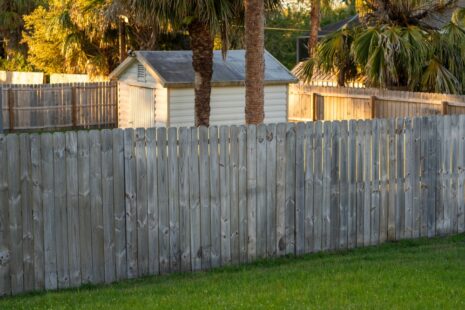
Many homeowners prefer wood because it looks warmer, more traditional, and more natural in the yard. A wood fence often blends beautifully with gardens, landscaping, and classic home styles.
It usually costs less upfront
Wood fencing is often less expensive at the start than vinyl. That makes it appealing if you want a good-looking fence without paying as much on installation day.
It offers more design flexibility
Wood can be stained, painted, cut, and customized more easily than vinyl. That can make it the better option if you want a very specific style or a more custom finished look.
Why vinyl may be the better fence
It needs less maintenance
One of the biggest advantages of vinyl is that it usually does not need painting, staining, or sealing. For many homeowners, that lower maintenance is the main reason vinyl feels like the better choice.
It handles moisture better
Vinyl does not rot like wood, which makes it especially useful in rainy, humid, or damp climates. If moisture is a major concern, vinyl often has a clear practical advantage.
It keeps a clean consistent look
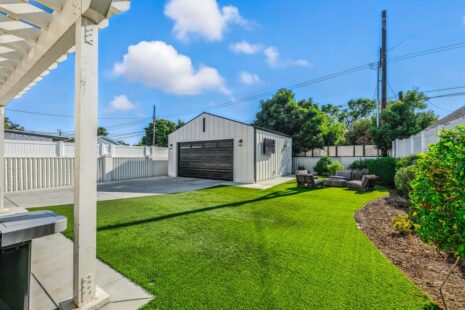
Vinyl fencing often has a smooth, uniform appearance that stays neat over time with simple cleaning. If you want a fence that keeps a polished look with less effort, vinyl usually stands out.
Where wood has the advantage
Wood often has the advantage in natural beauty, classic style, and lower upfront cost. It can be the better choice for homeowners who want warmth and character in the landscape and do not mind doing some maintenance over the years.
For many people, the look of real wood is enough to make it the better material even if it needs more care later.
Where vinyl has the advantage
Vinyl often has the advantage in convenience, durability against moisture, and lower upkeep. It is a strong choice for busy households, wet climates, and homeowners who want a fence that stays attractive without regular refinishing.
It can also feel like the better long-term value for people who plan to stay in the home and want fewer outdoor maintenance jobs.
How to decide which is better for you
Choose wood if you want natural style & lower starting cost
Wood is often better if you love the look of real wood and want to spend less upfront.
Choose vinyl if you want easier long-term ownership
Vinyl is often better if you want less maintenance and stronger moisture resistance over time.
Think about climate & lifestyle
If your area is wet and you want less upkeep, vinyl may be the smarter option. If you enjoy the look of wood and do not mind maintenance, wood may still be the better fit.
What homeowners should remember
Wood is better if you want a natural look, lower upfront cost, and more design flexibility. Vinyl is better if you want low maintenance, better moisture resistance, and easier long-term care.
The best fence is the one that matches your budget, your style, and how much upkeep you are willing to handle. Wood often wins on appearance and initial price, while vinyl often wins on convenience and long-term simplicity.