Vinyl fencing is known for being durable, low-maintenance, and resistant to moisture and pests. One common concern homeowners have, especially in areas with strong storms or open landscapes, is if vinyl fencing can withstand wind. The answer is yes, vinyl fencing can handle wind effectively when it is properly installed and reinforced. But wind resistance depends on several important factors including fence design, post depth, soil conditions, and overall installation quality.
Understanding how vinyl fences perform in windy conditions can help you make the right choice for your property.
How Vinyl Fencing Handles Wind
Flexible Material Design
Unlike wood, vinyl has a slight degree of flexibility. This allows it to bend slightly under pressure rather than crack or snap immediately. That flexibility can actually help the fence absorb wind force without breaking.
Panel Construction
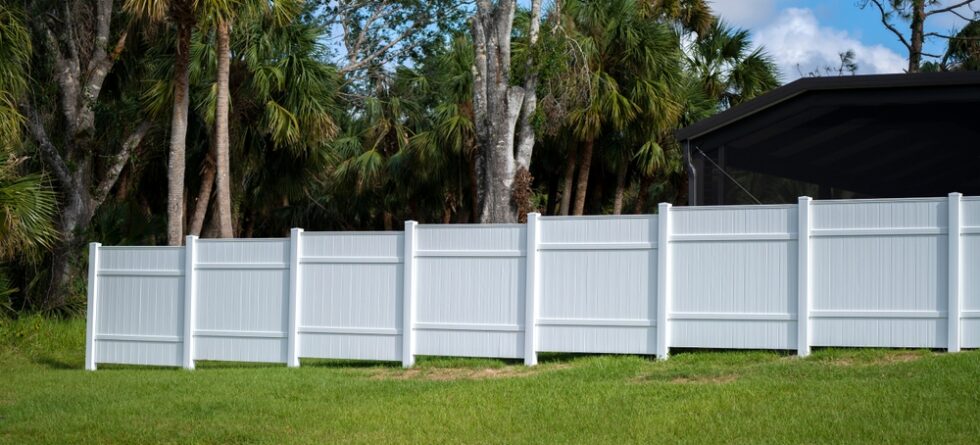
Solid privacy panels catch more wind than spaced picket styles. A fully enclosed vinyl privacy fence acts as a wind barrier, which increases pressure on posts. Picket fences or semi-private designs allow air to pass through, reducing strain.
Installation Matters Most
Proper Post Depth
Fence posts should be installed deep enough to provide stability, typically below the frost line in colder climates. Deeper posts create a stronger anchor against high winds.
Concrete Footings
Setting vinyl fence posts in concrete significantly improves wind resistance. Concrete stabilizes the base and prevents leaning or shifting during storms.
Reinforced Posts
Some vinyl fencing systems include internal metal reinforcements inside the posts. These reinforcements add extra structural strength, especially for gates and longer fence runs.
Wind Speed Considerations
Most well-installed vinyl fences can withstand moderate to strong winds. But, extreme weather events such as hurricanes or severe windstorms can damage nearly any fencing material if conditions are intense enough.
In high wind regions, choosing thicker panels and reinforced systems can improve long-term performance.
Soil & Location Factors
Loose or sandy soil may require deeper post installation for proper support. Fences installed in open areas without windbreaks, such as trees or buildings, may experience stronger gusts than those in sheltered yards.
Maintenance & Inspection
Regularly checking for loose posts, shifting soil, or damaged panels can help maintain wind resistance. Addressing minor issues early prevents larger structural problems later.