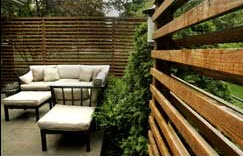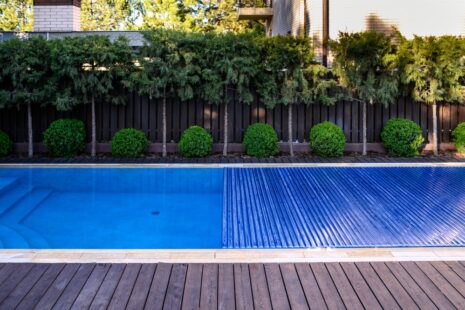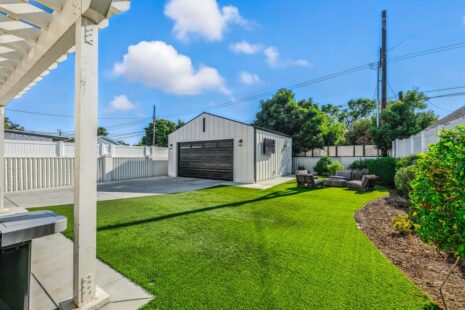

Fences that annoy neighbors are usually the ones that feel unfair, unattractive, overly harsh, or poorly planned. The problem is often not the fence alone, but how it affects light, views, privacy, appearance, and the relationship between the two properties. A fence can become frustrating when it feels like it was built with no thought for the people living next door.
Most neighbors do not mind a fence that is neat, well-placed, and suits the area. Trouble usually starts when the fence looks aggressive, blocks too much, creates maintenance problems, or seems disrespectful of the shared boundary.
Very tall fences often cause the most complaints
A fence that is much taller than expected can annoy neighbors because it may block sunlight, close in the space, and change the feel of the yard next door. Even if height is allowed, a very tall fence can still feel overpowering if it does not suit the area.
This is especially true in smaller yards where people are close together. A fence that feels like a wall can quickly become a source of tension if it affects openness, natural light, or the overall comfort of the neighboring property.
Ugly or unfinished fences can create tension
The bad side facing out
One of the most common things that annoys neighbors is when the rough or unfinished side of the fence faces them. Many people expect the cleaner and more attractive side to face outward. When they get the structural side with posts and rails exposed, it can feel inconsiderate.
Poor condition & patchy repairs
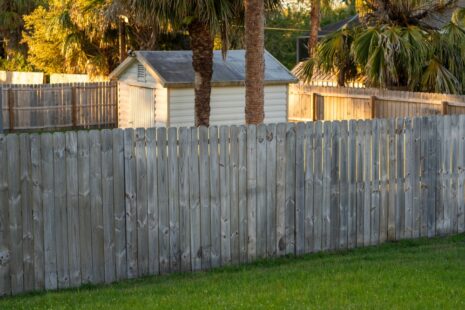
A fence with mismatched panels, fading paint, leaning sections, or obvious patch repairs can bother neighbors because it affects the appearance of the boundary both homes share. A damaged fence often makes the whole area feel less cared for.
Fences that look hostile can upset people
Some fences feel more defensive than necessary. Very harsh designs, severe colors, or styles that make the property seem closed off can create a negative feeling. Even if the homeowner wants security or privacy, a fence that looks unfriendly can make neighbors uncomfortable.
This is often more about the feeling the fence creates than the material itself. A strong fence can still look tasteful, but one that seems aggressive can harm neighbor relations quickly.
Boundary placement problems cause major annoyance
Building too close or over the line
A fence that appears to cross the property line or sit in the wrong place is one of the fastest ways to create conflict. Even a small mistake in placement can lead to long arguments if a neighbor feels their space has been taken.
Ignoring shared boundary concerns
When a fence is built right along a shared boundary without any discussion, some neighbors feel excluded from a decision that affects them too. Even if the fence is legal, poor communication can still create resentment.
Fences that block views or airflow can be frustrating
Neighbors are often annoyed by fences that remove a pleasant view or make a yard feel closed in. This can matter a lot in places where people value openness, garden views, or breezes between homes. A fence that is too solid or too heavy for the setting may change the feel of both properties in a negative way.
Some privacy is expected, but a fence that feels excessive for the space can be hard for neighbors to accept.
Neglected fences can become a shared problem
A fence that is allowed to rot, lean, collect mildew, or fall apart often annoys neighbors because it becomes more than a private issue. It can affect the look of their yard, create safety worries, and make the whole boundary feel untidy.
People are usually much more understanding of a basic fence than a neglected one. Condition matters just as much as style.
What kinds of fences usually work better
Fences that tend to cause fewer problems are the ones that fit the neighborhood, are well maintained, and look reasonable from both sides. A fence that gives privacy without feeling extreme is often much easier for neighbors to accept.
It also helps when the fence is discussed before installation, especially if it runs along a shared boundary. A simple conversation often prevents the kind of surprise that turns a normal fence into a lasting disagreement.