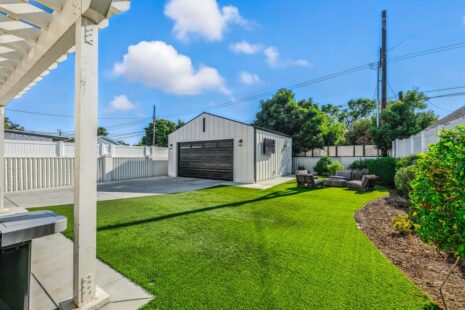
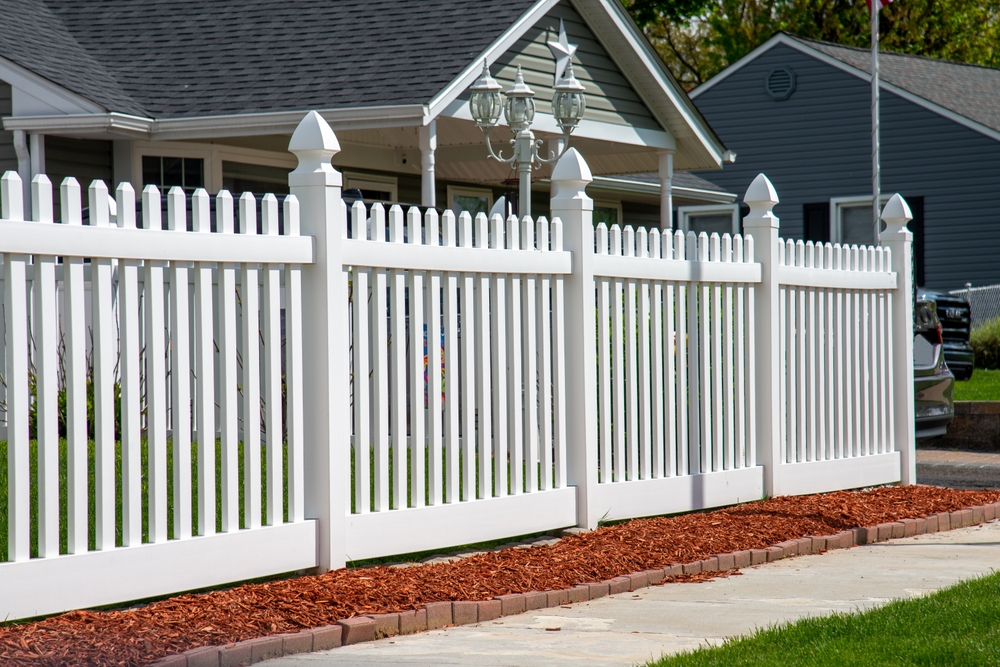
No, a vinyl fence does not rot. This is one of the main reasons many homeowners choose it over wood. Vinyl is made from synthetic material, so it does not absorb moisture in the same way natural wood does. That means it will not decay, break down from damp conditions, or develop the kind of rot that often affects wooden fences over time.
This makes vinyl fencing a popular option in places with rain, humidity, or changing weather. It can handle wet conditions much better than wood, and it does not need the same kind of protection from moisture damage.
Why vinyl does not rot
It is not a natural wood product
Rot happens when moisture gets into natural material and begins to break it down over time. Since vinyl is not made from wood, it does not provide the same conditions that lead to rot. Water may sit on the surface, but it does not soak in and cause decay the way it can with timber fencing.
It resists moisture well
Vinyl fencing is designed to handle outdoor exposure. Rain, damp air, and sprinkler water do not usually cause the material itself to rot or weaken in the same way they would affect untreated or aging wood.
What can happen to vinyl fencing instead
Even though vinyl does not rot, it is not completely free from wear. Over time, it can become dirty, develop mildew on the surface, fade slightly, crack from strong impact, or become brittle with age in harsh conditions. These are different problems from rot, but they still matter when thinking about long-term appearance and durability.
For example, a vinyl fence in a damp shaded area may develop green or dark surface buildup that looks unpleasant, but this is not the same as the material rotting. It is usually a surface issue that can often be cleaned.
How vinyl compares with wood for long-term durability
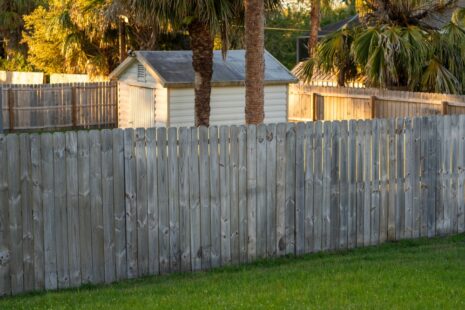
Wood can rot over time
Wood fencing can look beautiful, but it is more vulnerable to moisture damage. If it is not sealed, stained, or maintained properly, wood can begin to rot, warp, split, or weaken.
Vinyl avoids that problem
Vinyl fencing avoids the rot issue, which is a major advantage for homeowners who want lower maintenance. It does not need sealing to protect against decay, and it does not attract the same moisture-related problems that affect timber.
Can anything damage a vinyl fence?
Yes, vinyl fences can still be damaged. Strong wind, impact, poor installation, extreme temperature changes, or low-quality materials can all affect performance. A vinyl fence may crack, lean, or discolor over time if it is not well made or properly installed.
Still, these issues are different from rot. The fence may need cleaning, repair, or replacement of parts, but the material itself is not rotting like wood.
How to keep a vinyl fence in good condition
Simple cleaning and basic care can help a vinyl fence stay in good shape for many years. Washing off dirt, mildew, and stains helps maintain its appearance. It also helps to check that posts stay secure and that panels have not been damaged by weather or impact.
Good installation matters too. A well-installed vinyl fence is more likely to stay straight, stable, and attractive over time.