When you are planning a fencing project, cost is often one of the first considerations. The cheapest fence to have installed depends on your goals, if you need privacy, security, pet containment, or simply marking property boundaries. While some materials cost more upfront, others offer the most affordable price per linear foot and low installation expenses.
Below are common fences that are typically the cheapest to install, along with factors that influence price and performance.
Chain Link Fence
Most Affordable Option
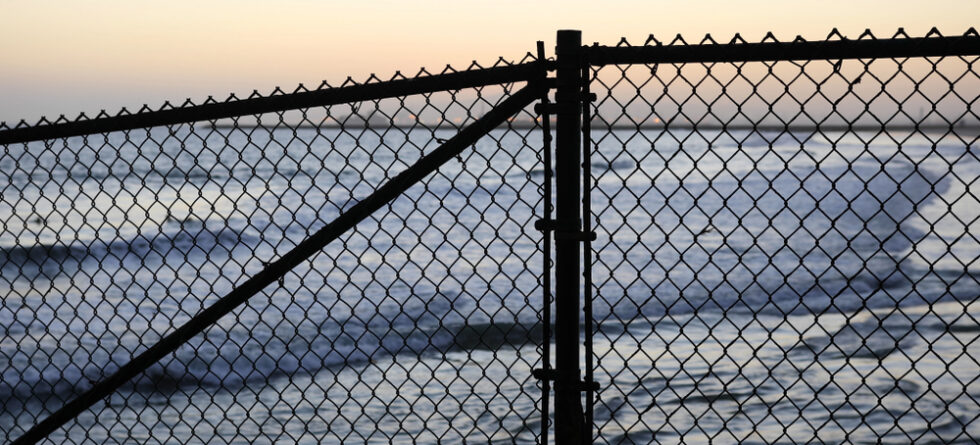
Chain link fencing is usually the cheapest type of fence to have installed. The materials are inexpensive and installation is relatively simple. Chain link consists of steel mesh stretched between posts, creating a durable barrier that is quick to set up.
Even though it does not provide privacy, chain link is cost-effective for marking boundaries, containing pets, and keeping yards enclosed.
Wire Fence
Low Cost For Large Areas
Wire fences, including welded wire or field fence, are another cheap option, especially for agricultural or rural properties. These fences use steel wire supported by posts. They are usually less expensive than wood or vinyl and can be installed quickly with minimal labor.
Wire fencing is ideal for containing livestock or marking large boundaries where privacy is not a priority.
Wood Rail Fencing
Affordable Rustic Option
Wood rail or split rail fences are typically cheaper than full privacy wood fences because they use fewer materials. These fences have horizontal rails attached to vertical posts, providing basic boundary definition with a rustic look.
They do not offer privacy, but are inexpensive and easy to install.
Bamboo Or Temporary Fencing
Low Cost Decorative Solutions
Bamboo fencing or temporary mesh fencing can be inexpensive to install. Bamboo panels or rolls can attach to existing structures and provide an affordable, natural appearance. Temporary fencing, such as plastic mesh, is inexpensive for seasonal or short-term use.
These options are usually not as durable as more permanent fences, but they are budget-friendly and quick to set up.
Factors That Affect Installation Cost
Several elements influence the total price you pay for fencing, including…
- Fence Height & Length – More material means higher cost.
- Material Quality – Cheaper materials cost less but may require replacement sooner.
- Labor Expenses – Professional installation raises cost, though DIY can save money if you have the skills.
- Terrain – Sloped or rocky land may require more labor and tools.
- Gates & Accessories – Adding gates, latches, and hardware increases overall price.
DIY Vs Professional Installation
Installing a fence yourself can significantly reduce costs because you do not pay labor charges. But accurate measurements, proper post setting, and safe tools are essential for a good result. Some budget fences, like chain link or wire, are more DIY friendly than others.