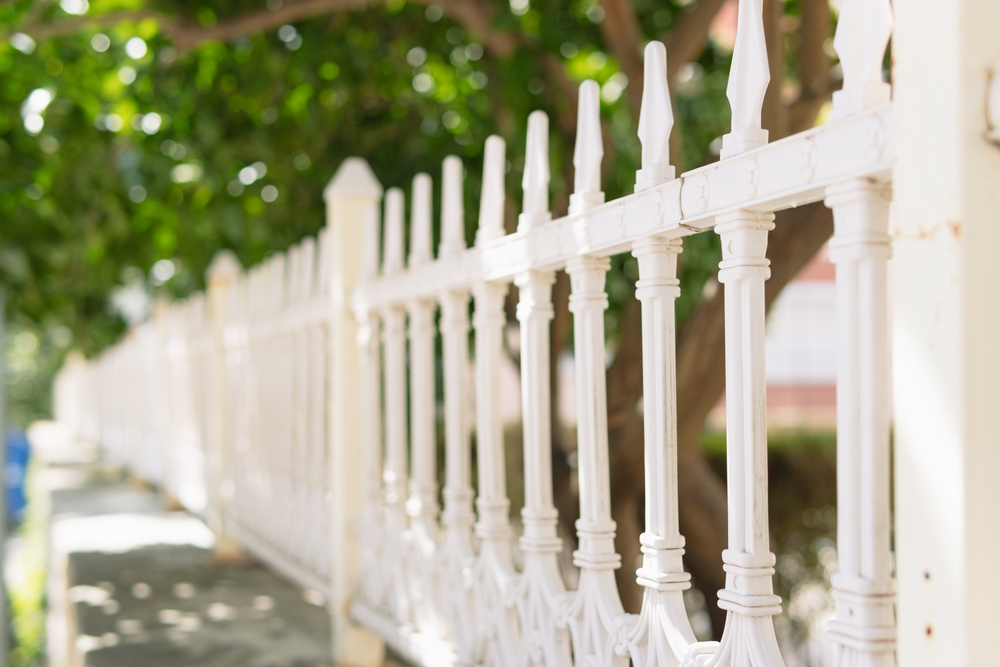
When installing a fence, many homeowners want an option that will last as long as possible with minimal repairs. The lifespan of a fence depends on the material, installation quality, climate conditions, and maintenance. Some fencing materials naturally resist moisture, insects, and weather damage better than others, which helps them last much longer.
Choosing a durable material and ensuring proper installation can significantly extend the life of your fence.
Vinyl Fencing
Long Lasting & Low Maintenance
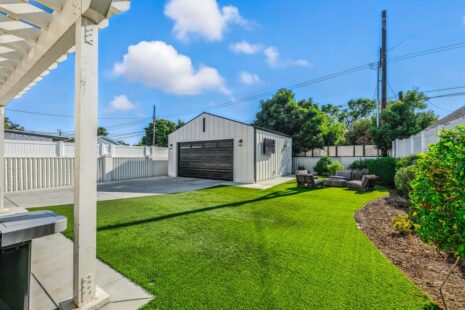
Vinyl fencing is one of the longest lasting residential fencing materials available. It is made from durable plastic that resists moisture, insects, and rot. Vinyl does not need painting or sealing and maintains its appearance for many years.
With proper installation and occasional cleaning, a vinyl fence can last several decades while maintaining strength and structure.
Aluminum Fencing
Rust Resistant & Durable
Aluminum fences are another long-lasting option. The material does not rust and performs well in many climates. Aluminum fencing is often used for decorative boundaries, pool areas, and properties that need durable fencing with minimal maintenance.
Because aluminum allows airflow through its open design, it can also perform well in windy areas.
Concrete Or Masonry Fencing
Extremely Long Lifespan
Concrete or masonry fences can last the longest of all fencing types. These fences are extremely strong and resistant to weather, pests, and physical damage. When built correctly, concrete walls can remain intact for many decades.
The main drawback is the higher installation cost compared to other fencing materials.
Steel Or Wrought Iron Fencing
Strong & Secure
Steel and wrought iron fences provide exceptional strength and durability. With protective coatings and proper maintenance, these fences can last many years while providing strong security.
Periodic care may be needed to prevent corrosion in certain climates.
Wood Fencing
Natural But Requires Maintenance
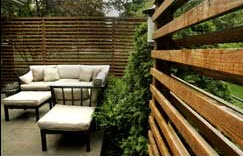
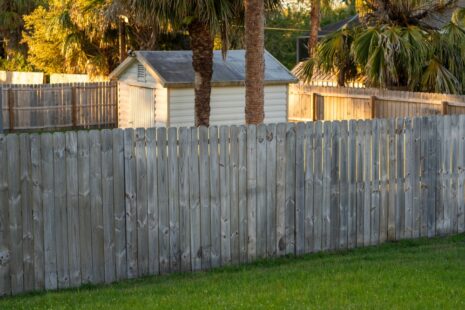
Wood fencing can also last many years when maintained properly. Regular sealing or staining helps protect wood from moisture and insects. Without maintenance, wood fences may deteriorate more quickly than other materials.
Factors That Affect Fence Lifespan
Installation Quality
Proper post depth, concrete footings, and accurate panel spacing are essential for long-term durability.
Climate Conditions
Strong sun, heavy rain, wind, and freezing temperatures can influence how long fencing materials last.
Maintenance
Regular cleaning and occasional inspections help prevent small problems from turning into major repairs.