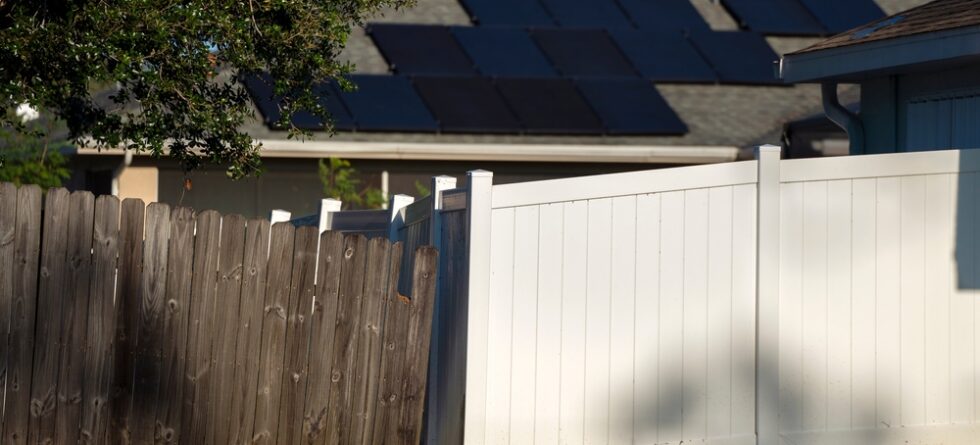
Vinyl fencing has become one of the most popular choices for residential and commercial properties. Known for its durability and low maintenance, vinyl offers an attractive alternative to traditional wood or metal fencing. Before investing in a vinyl fence, it is important to understand how it performs, what it costs, and what factors influence long term satisfaction.
This guide covers the essential information you should know before choosing vinyl fencing for your property.
What Vinyl Fencing Is Made Of
Vinyl fencing is made from polyvinyl chloride, a strong and weather resistant plastic material. Manufacturers often include ultraviolet inhibitors and impact modifiers to improve durability and prevent fading or brittleness over time.
High quality vinyl is engineered to handle temperature changes, moisture, and everyday wear without rotting, rusting, or splintering.
Key Benefits Of Vinyl Fencing
Low Maintenance
Unlike wood, vinyl does not require painting, staining, or sealing. Occasional cleaning with water and mild soap is usually enough to keep it looking fresh.
Moisture & Pest Resistance
Vinyl does not absorb water, which means it will not rot or warp. It is also resistant to insects such as termites.
Long Lifespan
When properly installed, vinyl fencing can last for decades. Many manufacturers offer long-term warranties that reflect their durability.
Variety Of Styles
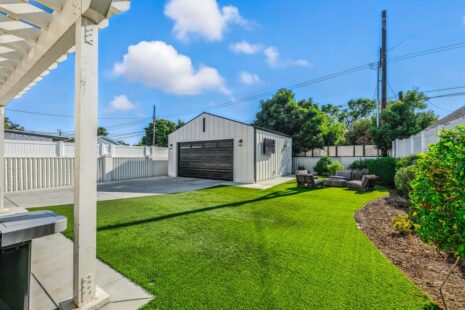
Vinyl fences are available in privacy, semi-private, picket, and decorative styles. Color options typically include white and tan, with some products offering textured or wood look finishes.
Things To Consider Before Buying
Upfront Cost
Vinyl fencing usually costs more initially than basic wood or chain link options. But lower maintenance costs over time may offset the higher upfront investment.
Installation Quality
Proper installation is critical. Posts should be set at the correct depth, often in concrete, to ensure stability. Poor installation can lead to leaning or panel issues.
Heat & Cold Performance
Vinyl can become warm in direct sunlight and slightly more brittle in extreme cold. Choosing high-quality materials reduces these effects.
Wind Exposure
Solid privacy fences may catch more wind than open styles. Reinforced posts and proper anchoring improve wind resistance.
Maintenance Tips
Routine rinsing removes dirt and debris. Inspect posts and gates occasionally to ensure they remain secure. Avoid harsh chemicals that could damage the surface finish.
Is Vinyl Right For You
Vinyl fencing is ideal for homeowners who want a clean appearance, minimal upkeep, and long-lasting durability. It works well for privacy, pet containment, and enhancing curb appeal.
If you prefer a natural wood look and are willing to maintain it regularly, wood may still be appealing. But for convenience and longevity, vinyl remains a top contender.