
Neighbors are most bothered by repeated habits that disturb their comfort, privacy, or peace at home. Small issues can often be overlooked once or twice, but when something happens often, it can quickly become frustrating. People want to feel relaxed in their own space, so anything that regularly interrupts that feeling tends to cause the biggest problems.
Some of the most common neighbor complaints come from noise, poor boundaries, parking problems, pets, mess, and lack of respect for shared spaces. These issues may seem minor at first, but they often build tension over time if they are not handled with care.
Noise is one of the biggest problems
Loud music & television
Playing music or television too loudly is one of the fastest ways to annoy people nearby. This becomes even more upsetting late at night, early in the morning, or in homes with shared walls. Even sound that seems normal inside one house can feel intrusive next door.
Barking dogs & noisy pets
Pets are a common source of neighbor stress, especially when barking goes on for long periods. Owners may become used to the sound, but neighbors often hear every burst of noise. Repeated barking, whining, or animals left outside for too long can create serious frustration.
Constant DIY or yard work
Home improvement noise, mowing, power tools, and outdoor machines can also cause tension. Most people understand that some noise is part of daily life, but constant disruption or poor timing can make it feel inconsiderate.
Privacy issues cause strong reactions
Neighbors often become upset when they feel their privacy is being ignored. This can include staring into gardens, windows, or outdoor sitting areas, as well as placing cameras or lights in ways that feel intrusive. Privacy matters a great deal in residential areas, and people notice quickly when it feels disturbed.
Even unintentional habits can create discomfort. Standing too close to a boundary line too often, looking over fences, or commenting too much on another person’s home and routines can make people feel uneasy.
Parking & access problems create daily stress
Blocking driveways or spaces
Parking is one of the most common causes of neighbour complaints because it affects daily routines. Blocking driveways, taking up too much street space, or making access difficult can turn into a repeated source of anger very quickly.
Ignoring shared areas
In places with shared paths, hallways, bins, or common parking, people are often annoyed by those who leave things in the way or act as if the whole space belongs to them. Shared areas work best when everyone uses them with care and consideration.
Mess & poor property care can upset nearby residents
Neighbors are often bothered by overflowing rubbish, bad smells, neglected yards, or clutter that affects the appearance of the area. A messy property can attract pests, create unpleasant views, and make others worry that the problem will spread.
This is not always about appearance alone. People are more likely to feel annoyed when untidy conditions affect cleanliness, safety, or comfort in nearby homes.
Boundary problems often lead to conflict
Boundaries matter because they define personal space. Problems often start when someone allows trees, plants, rubbish, water runoff, or building work to cross into another property. Even a small issue can become emotional when a person feels their space is being ignored.
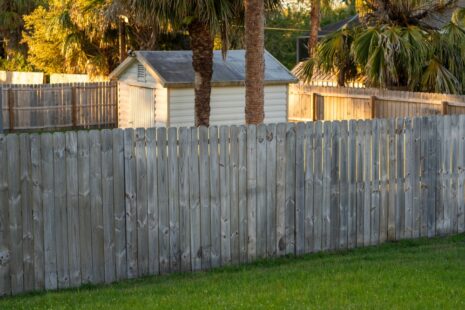
Disputes can also grow when neighbors move fences, lean items against shared walls, or assume permission without asking. Respecting boundaries is one of the clearest signs of being considerate.
Unfriendly or disrespectful behaviour leaves a lasting impression
People do not expect perfect neighbors, but they do notice attitude. Rudeness, gossip, repeated complaints, passive-aggressive behavior, and refusal to communicate politely can make a bad situation feel much worse. Sometimes the problem is not only the issue itself but also the way it is handled.
A neighbor who acknowledges a problem and tries to fix it is usually much easier to live beside than someone who ignores concerns or becomes defensive right away.
What neighbours usually want most
Most neighbors want simple things. They want reasonable quiet, respectful boundaries, clean surroundings, and basic courtesy. They also want to feel that shared living spaces are treated fairly. People are often more patient when they can see that someone is trying to be thoughtful.
Good neighbor relationships usually come from awareness, not perfection. Paying attention to noise, timing, parking, pets, and communication can prevent many of the problems that lead to lasting tension.