The best fence for property value is usually one that looks attractive, fits the style of the home, offers useful privacy, and is built from durable materials. A fence can improve curb appeal, make a yard feel more secure, and add practical function, all of which can make a property more appealing to future buyers.
For many homes, the strongest choices are well-built wood privacy fences, quality vinyl fences, ornamental metal fences, and, in some cases, composite fencing. The right option depends on the type of property, the neighborhood, and the kind of buyers the home is likely to attract. A fence adds the most value when it feels like a natural part of the property instead of an afterthought.
Why the right fence can help property value
A good fence changes how a home feels from the outside and how usable the outdoor space feels from the inside. Buyers often respond well to features that give them privacy, safety for children or pets, and a more finished look around the yard. A fence can also define the property clearly and make a backyard feel more private and comfortable.
Still, not every fence adds value in the same way. A poorly chosen fence can make a property look closed in, high maintenance, or out of place. This is why style, material, height, and condition matter so much.
Best fence types for property value
Wood privacy fences
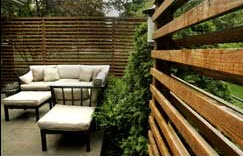
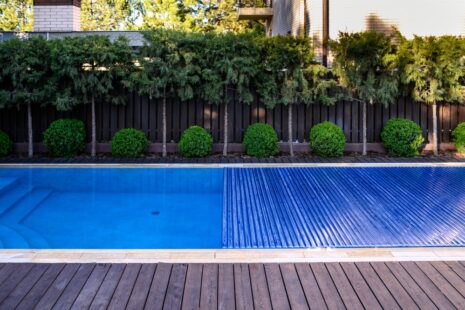
Wood privacy fences are often one of the best options for property value, especially in suburban neighborhoods where buyers want a private backyard. They create a warm, classic look and work well for families, pet owners, and anyone who wants a more enclosed outdoor space.
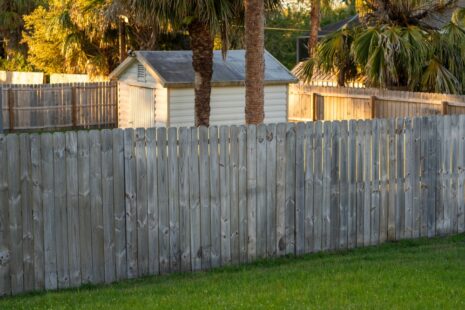
Wood also has broad appeal because it feels natural and can suit many home styles. The downside is maintenance. A wood fence usually needs staining, sealing, or painting over time, so its value depends a lot on how well it is cared for.
Vinyl fences
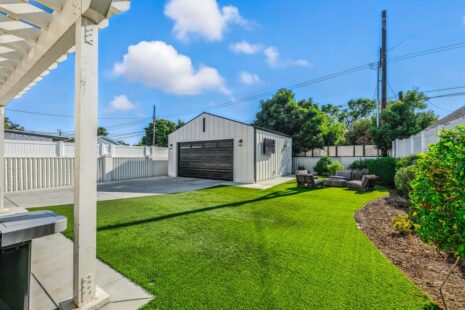
Vinyl fencing is popular for property value because it offers a clean look and low maintenance. Many buyers like the fact that it does not need the same level of upkeep as wood. It resists rot, does not attract pests the same way natural wood can, and usually stays neat with simple cleaning.
Vinyl can be a strong value choice in neighborhoods where buyers want privacy without taking on regular fence maintenance. It tends to look best when the design is simple, sturdy, and well matched to the home.
Ornamental metal fences
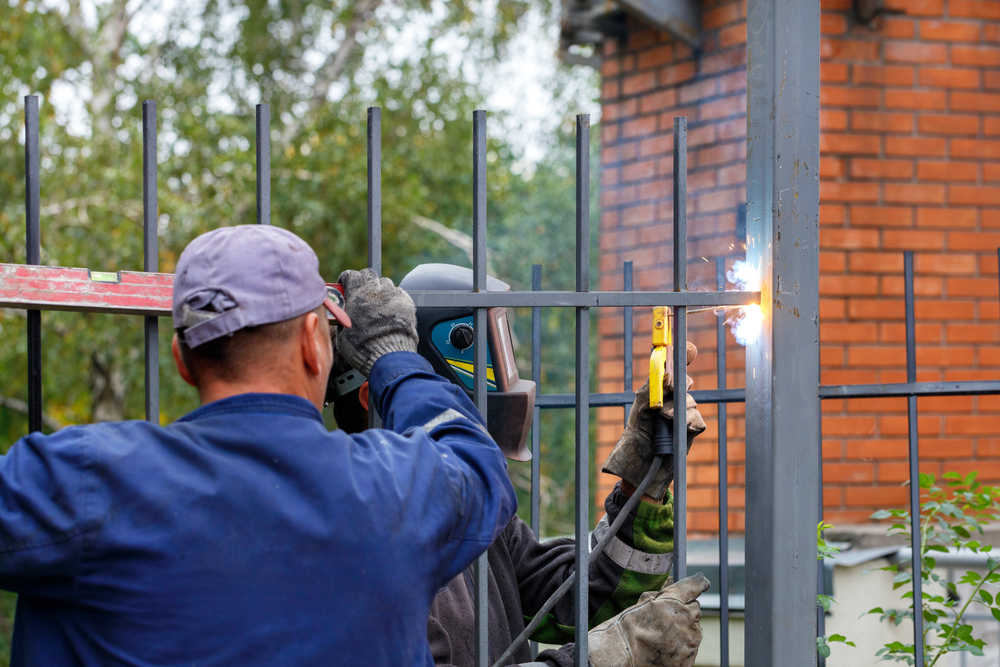
Ornamental metal fencing can add value when elegance and curb appeal are important. This style often works well on front yards, upscale homes, and properties where the goal is to create a polished, open look without blocking views. Aluminum and similar metal options are especially attractive because they can provide the look of classic wrought iron with less maintenance.
This type of fence is usually more about appearance, security, and design than backyard privacy. It adds the most value when it complements the architecture and landscaping around the home.
Composite fences
Composite fencing can also support property value because it combines durability with a more modern appearance. It usually needs less maintenance than wood and can offer good privacy. For buyers who like a clean, updated outdoor look, composite can be very appealing.
It may cost more at the start, but it can make sense when the goal is long-term appearance and reduced upkeep.
What buyers often like most in a fence
Privacy & security
Many buyers place a high value on privacy, especially in the backyard. A fence that creates a comfortable outdoor area for relaxing, entertaining, children, or pets can make the property feel more complete.
Low maintenance
Buyers often appreciate materials that look good without needing a lot of work. This is one reason vinyl, aluminum, and composite fencing can be attractive from a value standpoint.
Style that matches the home
A fence should look like it belongs with the property. A modern fence on a traditional home, or a heavy privacy fence in a place where open front yards are common, may not feel like the best fit. Good design adds more value than simply choosing the most expensive material.
Fence choices that may hurt value
A fence can hurt property appeal if it is damaged, leaning, badly installed, or visually harsh. Chain link can be practical, but it does not usually add as much value in many residential settings unless the property is rural or the fence is placed in a less visible area. Very tall or overly defensive-looking fences can also turn buyers away if they make the home feel closed off or unwelcoming.
Color and condition matter too. A faded fence, peeling finish, warped panels, or mismatched repairs can make the whole property look less cared for.
How to choose the best fence for your home
The best fence for property value is the one that fits your home, your lot, and your local market. In a family-friendly area, a neat privacy fence may be very attractive. In a higher-end neighborhood, ornamental metal or premium composite may feel more suitable. The goal is to choose a fence that improves the way the home looks and how the yard functions.
It also helps to think about visibility. Front yard fencing affects curb appeal right away, while backyard fencing often adds value through privacy and usefulness. Both matter, but they do so in different ways.