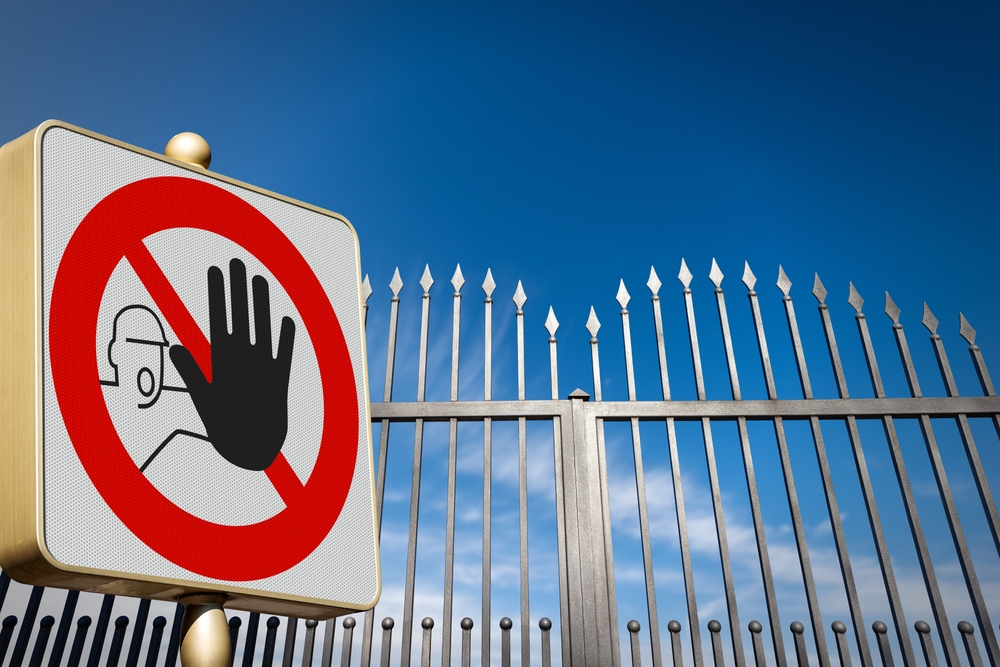
The best fence for trespassers is usually a tall, strong, hard-to-climb fence that clearly marks the property line and makes entry more difficult. A fence works best when it does two things at the same time. It creates a clear physical barrier, and it sends a strong visual message that the property is private and protected.
For most homes, the strongest options are solid privacy fences, metal security fencing, and well-built composite or wood fences with secure gates. The best choice depends on how much visibility you want, how important appearance is, and how much security the property needs. A fence adds more protection when it is combined with lighting, locks, and good property layout.
What makes a fence better at stopping trespassers
A fence is more effective when it is difficult to climb, difficult to break, and difficult to pass through unnoticed. Height matters because a low fence is easier to step over. Strength matters because weak panels, loose posts, or thin materials can fail under pressure. Design matters because some styles are much easier to climb than others.
A good fence should also have limited footholds. Horizontal rails, wide openings, and decorative features can make climbing easier. Smooth, vertical designs are often better when security is the goal.
Best fence types for deterring trespassers
Tall privacy fences
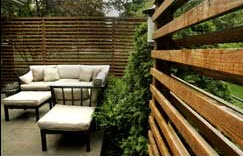
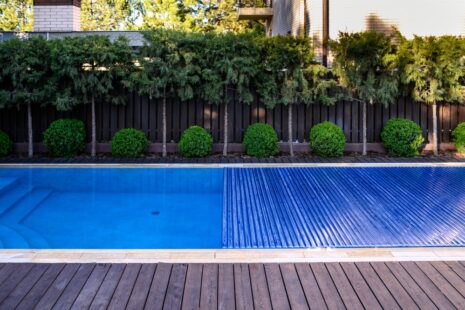
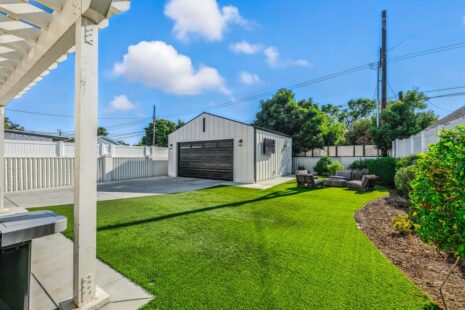
A tall privacy fence is one of the best choices for many residential properties. It limits visibility into the yard, makes access less convenient, and creates a stronger sense of separation from the street or neighboring spaces. Wood, vinyl, and composite privacy fences can all work well when they are built solidly and installed at a useful height.
This style is especially helpful because it removes the easy view of what is inside the property. When people cannot easily see into a yard, the space often feels less inviting to unwanted visitors.
Metal security fencing
Metal fencing can be a very strong option when security is the main concern. Aluminum and steel fences with vertical pickets can be harder to damage than lighter materials, and some designs are made to be less climbable. A strong metal fence with secure gates can offer a good balance of durability and appearance.
This type of fence is often a smart choice for front boundaries, side access areas, and places where a strong visible barrier is needed without fully closing off the property.
Composite fencing
Composite fences can also be a good option because they are sturdy, durable, and usually stronger than lightweight decorative fencing. They often provide the same visual privacy benefits as wood or vinyl while holding up well over time. For homeowners who want privacy and reduced upkeep, composite can be a strong choice.
Masonry or brick walls
A masonry wall or brick wall can be one of the hardest barriers to cross because it offers mass, strength, and long-term durability. This type of boundary can work very well for privacy and security, especially around side yards, rear gardens, or high-value properties. It can also increase the sense of permanence and protection around the home.
The main drawback is cost, but from a physical barrier point of view, this is often one of the strongest options available.
Fence features that improve security
Height & solid construction
A taller fence is usually more effective than a shorter one. Solid panels, sturdy posts, and strong fastenings all matter because weak construction can reduce the value of even a good fence material.
Secure gates & locks
The fence is only as strong as its access points. A secure gate with quality hinges, latches, and locks is essential. Many fencing systems lose much of their protective value because the gate area is the weakest point.
Limited climbing points
A fence designed with smooth vertical surfaces is often harder to climb than one with horizontal elements or open patterns. Simpler shapes can sometimes provide better security than decorative styles.
Fence types that may be less effective
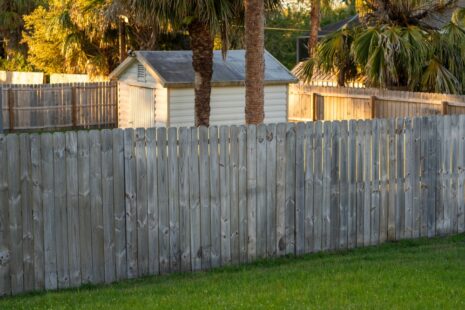
Short decorative fences, picket fences, and open slatted designs are usually less effective against trespassers because they are easier to climb or step over. Chain link can be practical for marking a boundary, but it is often climbable and may not provide the same level of deterrence as a tall privacy fence or stronger wall.
A weak or damaged fence also loses much of its value. Leaning posts, loose boards, and poor gate alignment can make the property look easier to enter.
Why fencing works best with other security measures
A fence is most useful when it is part of a wider security plan. Motion lighting, clear sightlines, strong locks, cameras, and signs can all improve the way a fence performs. A well-lit gate and a clearly maintained boundary often discourage unwanted access more than a fence alone.
Good landscaping also helps. Keeping entry points visible and avoiding hiding spots near gates or corners can make the fence more effective. Security works best when the whole layout supports it.